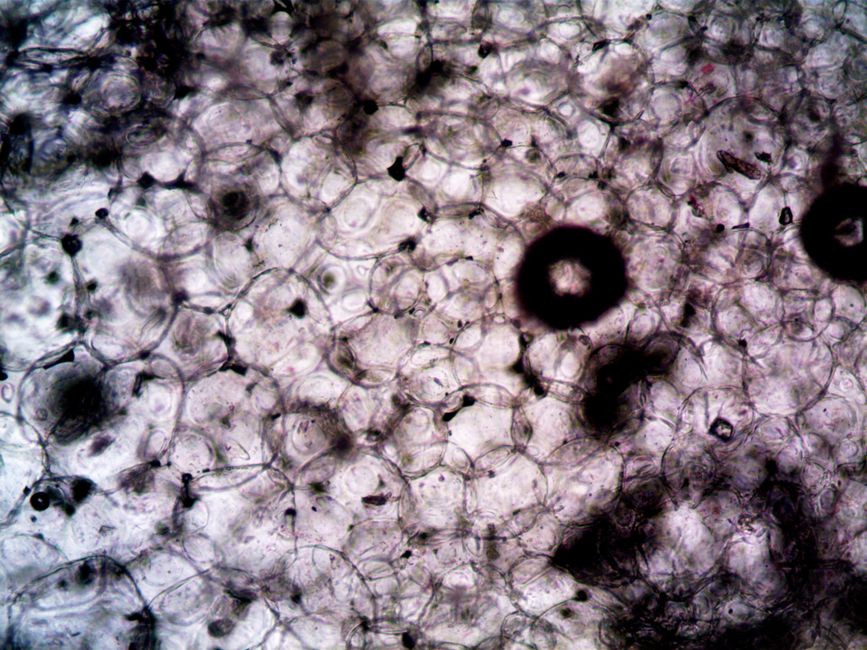
Photo via Pexels
Researchers at the University of Rhode Island have demonstrated that polystyrene nanoplastics can cross the blood-brain barrier in fish, leading to neurological damage and behavioral changes. The study found that within just two weeks of exposure, nanoplastic particles were detectable in brain tissue, accumulating at levels up to 30 micrograms per gram of tissue. Using fluorescently tagged nanoplastics and advanced microscopy, the team observed particles penetrating brain cells and affecting neural pathways. This raises concerns that microplastic pollution could have direct impacts on marine cognitive functions and survival, extending beyond physical ingestion. The findings were published in *Environmental Science & Technology*.
Editorial check
How this page is checked
Source trail
pubs.acs.org
External links are separated from Surfaced commentary.
Reader safety
Context before clicks
Product links and external services are not presented as guarantees.
Monetization
No affiliate flag
Ads and commerce links are kept distinct from editorial text.
Surfaced take
Why It’s Fascinating
This discovery is alarming because it reveals a direct pathway for plastic pollution to impact the central nervous system of marine organisms, a consequence previously hypothesized but not definitively proven in fish. It overturns the simplistic understanding that microplastics primarily cause physical blockages or digestive issues, confirming a more insidious systemic threat. Within 5-10 years, this could lead to stricter regulations on plastic waste management and the development of advanced filtration technologies to prevent nanoplastic release, especially in aquaculture. Imagine tiny, invisible shards of glass getting into the control circuits of a computer; that's the kind of subtle but profound damage these plastics might be inflicting. Environmental scientists and public health officials, given the potential for biomagnification up the food chain, benefit most from this understanding. How might this impact the complex migratory patterns or predator-prey dynamics of marine species?
Related
Civic Science Data Explorer
The Civic Science Data Explorer is a free, publicly accessible platform that visualizes data from their ongoing consumer surveys. It allows users to explore…

Color Space Visualizer
The Color Space Visualizer is a sophisticated, browser-based application that renders multiple color spaces in an interactive 3D environment. Users can explore…
Enjoyed this? Get five picks like this every morning.
Free daily newsletter — zero spam, unsubscribe anytime.