Photo via Pexels
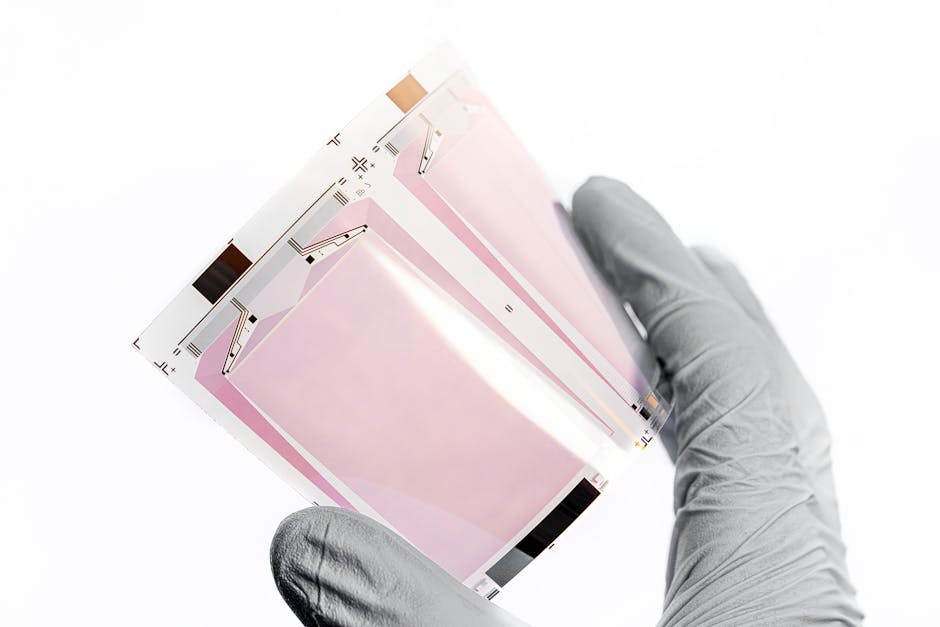
MXenes are a class of two-dimensional transition metal carbides, nitrides, or carbonitrides, renowned for their metallic conductivity and hydrophilic surfaces, making them excellent candidates for electromagnetic interference (EMI) shielding. Drexel University's Materials Science and Engineering department, particularly Professor Yury Gogotsi's lab, has been a pioneer in their discovery and development, alongside companies like Universal Display Corporation exploring applications. They are primarily in advanced research and prototype stages, demonstrating superior shielding effectiveness in laboratory settings. In a 2016 study published in Science, Drexel researchers reported MXene films achieving EMI shielding effectiveness of 92 dB at a thickness of only 8 micrometers, significantly outperforming conventional shielding materials. This vastly exceeds the performance of traditional copper or aluminum foil shielding, which requires much greater thickness for comparable effectiveness.
Editorial check
How this page is checked
Source trail
nature.com
External links are separated from Surfaced commentary.
Reader safety
Context before clicks
Product links and external services are not presented as guarantees.
Monetization
No affiliate flag
Ads and commerce links are kept distinct from editorial text.
Surfaced take
Why It Matters
With the proliferation of wireless devices and autonomous systems, EMI is a growing problem, potentially causing malfunctions and data loss in sensitive electronics; the global EMI shielding market is projected to reach $8 billion by 2027. Future electronics, from 5G devices to medical implants and self-driving cars, will be immune to electromagnetic interference, operating flawlessly even in highly signal-dense environments. Manufacturers of advanced electronics and defense contractors win, while producers of bulkier, less efficient shielding solutions face disruption. Key barriers include scaling up the synthesis of high-quality MXene flakes and integrating them into flexible, durable composite materials without compromising performance. Initial commercial applications in niche, high-value electronics could emerge within 3-5 years, with broader adoption in consumer electronics in 7-10 years. South Korea, known for its electronics manufacturing, and the US, with its strong materials science research, are leading the charge. A second-order consequence could be the miniaturization of electronic devices to an unprecedented degree, as the need for bulky shielding components is drastically reduced.
Development Stage

Enjoyed this? Get five picks like this every morning.
Free daily newsletter — zero spam, unsubscribe anytime.