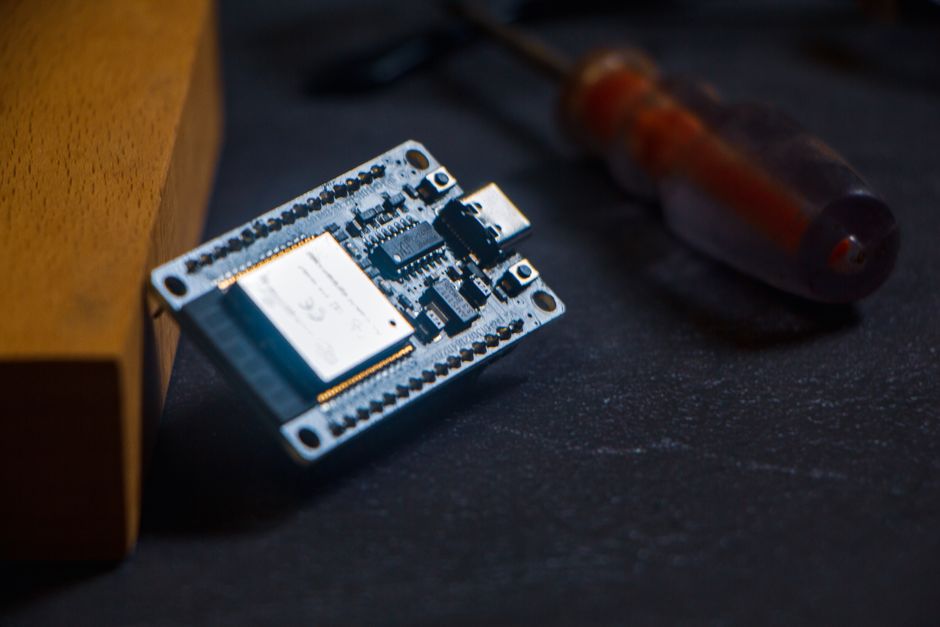
Photo via Pexels
Needle is a highly optimized, smaller language model that has successfully distilled the complex 'tool calling' capabilities of larger models like Google's Gemini. The Cactus Compute team (https://github.com/cactus-compute/needle) has achieved a significant milestone by compressing this advanced functionality into a mere 26 million parameters. Tool calling allows AI models to interact with external APIs and tools, enabling them to perform actions beyond just generating text, such as fetching real-time data or controlling other software. Needle works by carefully training a smaller model on datasets that emphasize the patterns and logic required for recognizing when and how to invoke specific tools, mirroring the behavior of its much larger counterparts.
Editorial check
How this page is checked
Source trail
Editorial source pending
External links are separated from Surfaced commentary.
Reader safety
Context before clicks
Product links and external services are not presented as guarantees.
Monetization
No affiliate flag
Ads and commerce links are kept distinct from editorial text.
Surfaced take
Why It Matters
This breakthrough makes sophisticated AI capabilities accessible on a much wider range of hardware, including edge devices and less powerful servers. Imagine AI assistants that can seamlessly book appointments, control smart home devices, or retrieve specific information from the internet without needing to send requests to massive, resource-intensive cloud models. This democratizes advanced AI functionality, reducing latency and improving privacy by enabling local processing. The timeline to mainstream adoption could be relatively quick, given the clear benefits for cost and performance. Key obstacles include ensuring the distilled model retains sufficient accuracy and robustness across a diverse set of tools and use cases. Once widespread, it could lead to more responsive and integrated AI experiences in everyday devices, from smartphones to wearables and specialized industrial equipment.
Development Stage
Related

Needle
Needle is a highly efficient and compact model that distills Gemini's powerful tool-calling capabilities into a remarkably small 26 million parameter size…

Clipdrop
Clipdrop is a suite of AI-powered tools designed to enhance and manipulate images with remarkable ease. It offers features like background removal, object…
Enjoyed this? Get five picks like this every morning.
Free daily newsletter — zero spam, unsubscribe anytime.