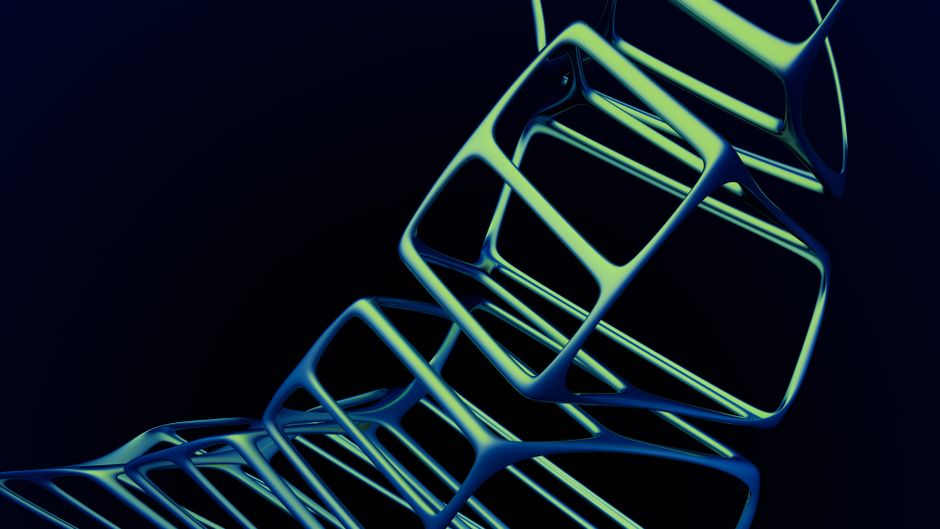
Photo via Pexels
Engineers at the University of Cambridge have engineered a novel auxetic metamaterial exhibiting superior impact energy absorption capabilities. Unlike conventional materials that thin when stretched, this material expands perpendicular to the applied force, showing a negative Poisson's ratio as low as -0.9. The team fabricated this structure using a hierarchical design of interlocking chiral units, optimizing its geometry for controlled deformation under stress. This counterintuitive property allows the material to distribute impact forces more effectively, increasing energy dissipation by up to 20% compared to non-auxetic counterparts. This innovation promises enhanced protection in various applications.
Editorial check
How this page is checked
Source trail
eng.cam.ac.uk
External links are separated from Surfaced commentary.
Reader safety
Context before clicks
Product links and external services are not presented as guarantees.
Monetization
No affiliate flag
Ads and commerce links are kept distinct from editorial text.
Surfaced take
Why It’s Fascinating
This material challenges our intuitive understanding of how materials behave under stress, making it incredibly significant for protective applications. Traditional materials compress and stiffen at the point of impact, but auxetics spread the force, overturning conventional design principles for armor. Within five to seven years, we could see auxetic metamaterials integrated into athletic gear, vehicle bumpers, and even astronaut suits, providing unprecedented levels of impact protection. Imagine a material that, instead of just resisting a punch, actually 'embraces' it, spreading the force over a wider area like a spiderweb catching a fly. This benefits athletes, soldiers, and everyday drivers, making dangerous activities safer. How else might we leverage materials that defy conventional mechanical expectations?
Related
photosynthesis.camera
Photosynthesis is a unique iPhone app that leverages the dual camera system to capture two images simultaneously. It then intelligently fuses these images into…

Kami
Kami is a tool designed to help users present their digital content in a way that feels as good as print. It focuses on the quality of the final output…
Enjoyed this? Get five picks like this every morning.
Free daily newsletter — zero spam, unsubscribe anytime.