
Photo via Pexels
In a study published in The Astrophysical Journal Letters in 2023, astronomers using the James Webb Space Telescope (JWST) detected a peculiar mix of gases in the atmosphere of exoplanet K2-18 b, a sub-Neptune orbiting a red dwarf star 120 light-years away. While water vapor and methane were found, the potential detection of dimethyl sulfide (DMS) is particularly intriguing. On Earth, DMS is primarily produced by marine life, leading to speculation about potential biosignatures in this distant world's atmosphere.
Editorial check
How this page is checked
Source trail
arxiv.org
External links are separated from Surfaced commentary.
Reader safety
Context before clicks
Product links and external services are not presented as guarantees.
Monetization
No affiliate flag
Ads and commerce links are kept distinct from editorial text.
Surfaced take
Why It’s Fascinating
The search for life beyond Earth is a monumental endeavor, and the potential detection of a molecule like dimethyl sulfide on K2-18 b is incredibly exciting. While the detection of DMS is not yet definitive and requires further confirmation, its primary terrestrial source being biological processes—specifically phytoplankton in oceans—makes it a compelling candidate for a biosignature. This finding, if confirmed, would suggest that life on other planets might not follow the same biochemical pathways as life on Earth, potentially utilizing different chemical processes and producing different atmospheric indicators. It pushes the boundaries of our understanding of astrobiology and the diversity of life that might exist in the cosmos. The most profound question it raises is: what other unexpected chemistries could be the hallmark of alien life, and how will we learn to recognize them?
Related
Lumara Space Dashboard
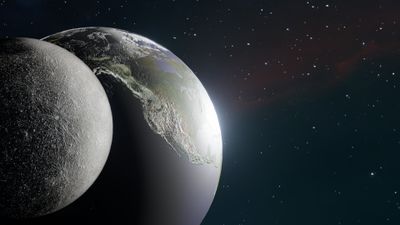
Lumara is an exquisitely designed, real-time interactive web dashboard developed by a passionate team focused on space visualization, bringing celestial…
Tonic
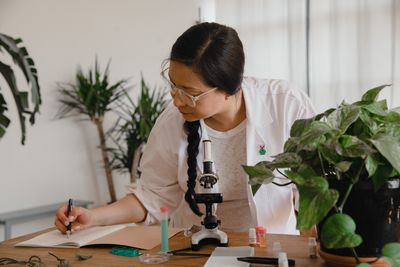
Tonic is a collaborative research notebook platform designed for scientists and researchers to document, share, and reproduce their experiments. It allows…
Enjoyed this? Get five picks like this every morning.
Free daily newsletter — zero spam, unsubscribe anytime.