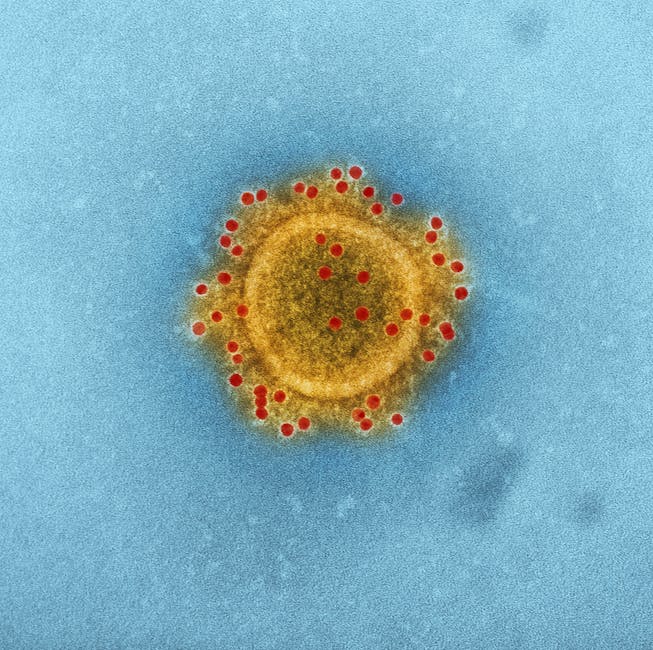
Photo via Pexels
A collaborative study led by researchers from the University of Arizona and the University of Southern California revealed that bacteriophages play a critical and previously underestimated role in mediating global carbon flow within marine ecosystems. The team, including Dr. Matthew B. Sullivan, found that phages infect and lyse a significant fraction of ocean microbes, releasing organic carbon that is then recycled by other microorganisms. Through metagenomic sequencing and computational modeling of global ocean samples, they estimated that phage lysis is responsible for cycling approximately 0.2 to 0.7 gigatons of carbon annually, a substantial portion of the ocean's carbon budget. This discovery indicates that viruses are not merely pathogens but fundamental drivers of biogeochemical cycles, profoundly influencing the planet's climate regulation and nutrient distribution. The findings were published in the *Proceedings of the National Academy of Sciences*.
Editorial check
How this page is checked
Source trail
pnas.org
External links are separated from Surfaced commentary.
Reader safety
Context before clicks
Product links and external services are not presented as guarantees.
Monetization
No affiliate flag
Ads and commerce links are kept distinct from editorial text.
Surfaced take
Why It’s Fascinating
This discovery is immensely surprising to experts because it redefines the role of viruses from mere disease agents to essential regulators of planetary processes, particularly ocean health and the global carbon cycle. It overturns the simplistic view of viruses as solely destructive entities, confirming their pervasive and beneficial influence on Earth's vital systems. Within 5-10 years, understanding this phage-driven carbon cycling could lead to more accurate climate models and potentially inform strategies for carbon sequestration or ocean fertilization, though careful consideration of ecological impacts would be paramount. Think of phages as tiny, invisible gardeners constantly pruning the microbial 'forest' in the ocean, ensuring nutrients are recycled efficiently and plant life can thrive, thereby influencing the very air we breathe. Environmental scientists, climate modelers, and policymakers focused on ocean health and carbon emissions stand to benefit most. How might human-induced changes in ocean temperature or chemistry alter the delicate balance of these viral-microbial interactions and their impact on global climate? This highlights a complexity far beyond initial assumptions about marine food webs.
Related
Permaculture Research Institute
The Permaculture Research Institute (PRI) is a leading global organization dedicated to promoting and disseminating knowledge about permaculture, a system of…

Poland's Economy Grows to Top 20
This article from the Associated Press details the remarkable economic ascent of Poland, catapulting it into the ranks of the world's 20 largest economies. It…
Enjoyed this? Get five picks like this every morning.
Free daily newsletter — zero spam, unsubscribe anytime.