Photo via Pexels
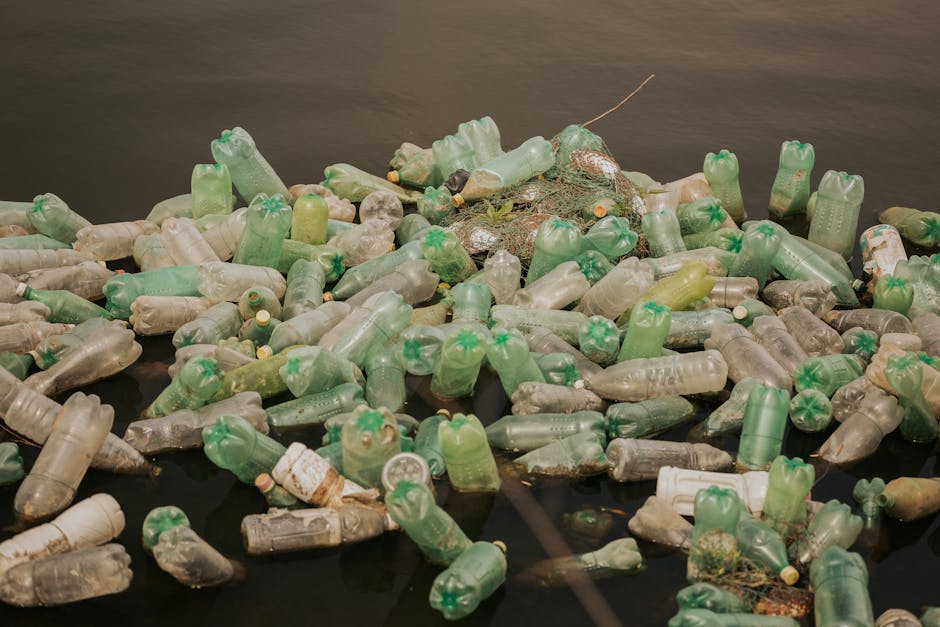
A study conducted by the University of Hawaii at Manoa, published in Environmental Science & Technology, has demonstrated that common ocean plastics, particularly polystyrene, leach a complex cocktail of toxic chemicals into seawater as they degrade. Researchers incubated various plastic types in seawater under simulated sunlight and analyzed the chemical composition of the leachate using gas chromatography-mass spectrometry. They identified over a dozen hazardous chemicals, including benzene and styrene, released into the surrounding water. This leaching significantly adds to the chemical pollution burden of marine ecosystems.
Editorial check
How this page is checked
Source trail
pubs.acs.org
External links are separated from Surfaced commentary.
Reader safety
Context before clicks
Product links and external services are not presented as guarantees.
Monetization
No affiliate flag
Ads and commerce links are kept distinct from editorial text.
Surfaced take
Why It’s Fascinating
This discovery is alarming because it reveals that plastic pollution isn't just a physical threat (entanglement, ingestion) but also a chemical one, subtly poisoning marine environments. It challenges the prior understanding that plastics were relatively inert once in the ocean, confirming they actively contribute to chemical contamination. Within 5-10 years, this insight will inform new regulations on plastic composition and disposal, potentially leading to safer alternatives and better waste management practices. Imagine a plastic bottle not just as litter, but as a slow-release chemical dispenser in the ocean. Environmental health agencies, policymakers, and seafood consumers are most impacted. What are the long-term cumulative effects of these leached chemicals on marine biodiversity?
Related

Don't be a meat proxy
This blog post, 'Don't be a meat proxy,' by gruhn.me, argues against the prevalent notion that our bodies are merely vessels for our genes. It challenges the…

TinyMed
TinyMed is a free, open-source, and privacy-focused application designed for tracking personal health metrics and symptoms in a minimalist, user-friendly…
Enjoyed this? Get five picks like this every morning.
Free daily newsletter — zero spam, unsubscribe anytime.