Photo via Pexels
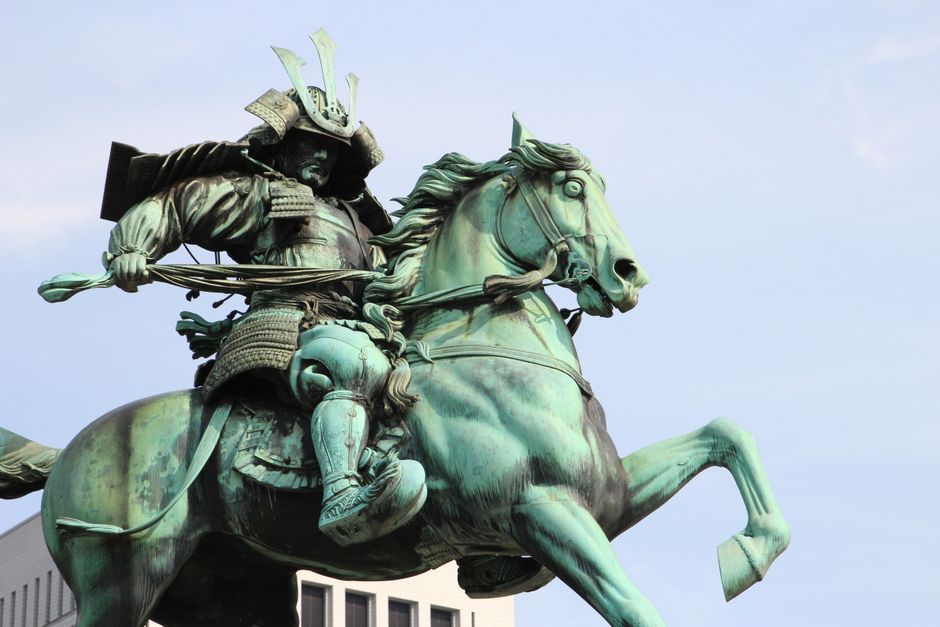
The traditional samurai class in Japan was not officially abolished until 1876, directly overlapping with the peak era of the American Wild West, typically spanning from the 1860s to the 1890s. For at least a decade, from the early 1870s until the mid-1880s, these iconic figures of distinct cultures coexisted, with the last samurai rebellions occurring as cowboys drove cattle across the American plains. This chronological overlap is established by comparing the historical timelines of Japan's Meiji Restoration and the documented period of American westward expansion and cattle drives. This challenges popular cultural portrayals that often place samurai in an almost mythical, distant past, entirely separate from the 'modern' era of the American frontier.
Editorial check
How this page is checked
Source trail
britannica.com
External links are separated from Surfaced commentary.
Reader safety
Context before clicks
Product links and external services are not presented as guarantees.
Monetization
No affiliate flag
Ads and commerce links are kept distinct from editorial text.
Surfaced take
Why It’s Fascinating
Historians and cultural critics find this fact fascinating because popular media has largely compartmentalized these two archetypes into separate, non-overlapping historical epochs, which often surprises audiences. It overturns the common mental timeline that relegates samurai to a much older, more 'ancient' past than the relatively recent American frontier. In 5-10 years, this perspective could inspire new forms of cross-cultural storytelling in media, or even historical reenactments that explore the theoretical interactions of these contemporary figures. It's like realizing that Victorian-era Londoners were alive when cowboys were herding cattle in Texas, even though we often imagine them in completely different historical 'bubbles.' Film critics, historical fiction writers, cultural anthropologists, and anyone interested in the fluid nature of historical timelines benefit from this insight. This raises a thought-provoking question: how do our cultural narratives, particularly through film and literature, inadvertently create artificial chronological divisions that obscure fascinating historical overlaps and parallels?
Related

Coauthor
Coauthor is a real-time collaborative writing application designed to facilitate seamless teamwork on documents. It allows multiple users to edit the same text…

Palette Inspiration
Palette Inspiration allows users to explore and discover color palettes derived from the artworks of master painters throughout history. By analyzing thousands…
Enjoyed this? Get five picks like this every morning.
Free daily newsletter — zero spam, unsubscribe anytime.