Photo via Pexels
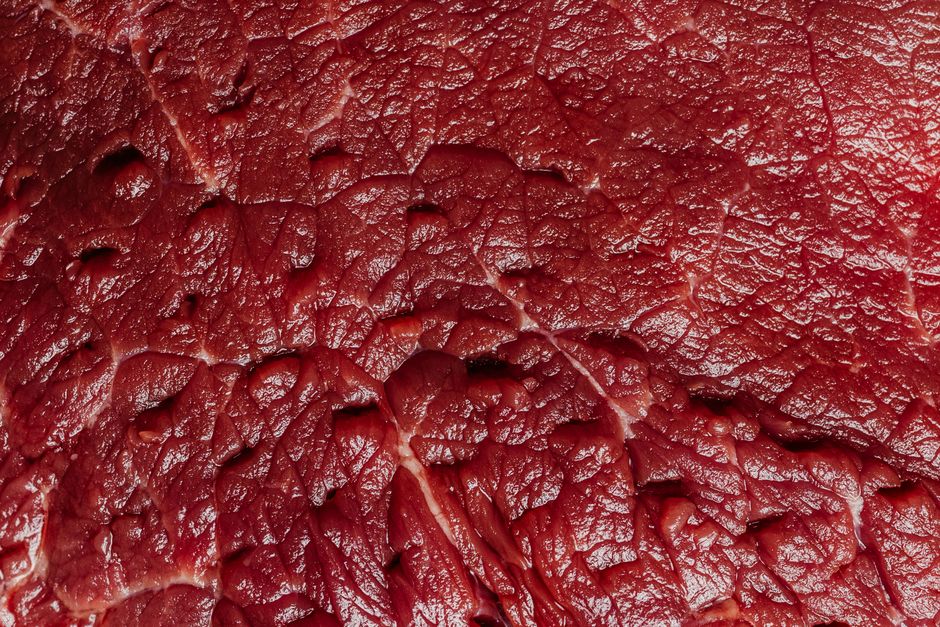
Scaffolded cultivated whole-cut meat involves growing animal cells (e.g., muscle, fat, connective tissue) on a three-dimensional edible or biodegradable matrix to mimic the complex structure and texture of a traditional steak or chicken breast. This process starts with a small biopsy of animal cells, which are then nourished in bioreactors, attaching to and growing along the scaffold. Leading research is being conducted by companies such as Aleph Farms, Meatable, and Believer Meats, pushing beyond ground meat into more complex structures. The technology is currently in the advanced research and prototype stage, with Aleph Farms having showcased the world's first cultivated ribeye steak prototype in 2021, demonstrating multi-layered tissue structure. This approach aims to replicate the sensory experience of conventional meat while avoiding animal slaughter.
Editorial check
How this page is checked
Source trail
aleph-farms.com
External links are separated from Surfaced commentary.
Reader safety
Context before clicks
Product links and external services are not presented as guarantees.
Monetization
No affiliate flag
Ads and commerce links are kept distinct from editorial text.
Surfaced take
Why It Matters
Conventional meat production is a major contributor to climate change, deforestation, and antibiotic resistance, with the global meat market exceeding $1.3 trillion. If scaffolded whole-cut meat becomes mainstream, consumers could purchase high-quality, ethically produced steaks and chicken breasts directly from local retailers, without relying on industrial animal farming. Livestock farmers and slaughterhouse operators could lose, while biotech firms, food manufacturers, and sustainable agriculture advocates would win. Significant technical hurdles remain in scaling production efficiently, reducing media costs, and achieving the desired texture and mouthfeel at an affordable price, alongside gaining regulatory approval from bodies like the FDA and USDA. Commercial availability for niche markets could begin within 3-7 years, with companies in Israel, the US, and Singapore at the forefront. A less obvious consequence might be a redefinition of 'premium' meat, shifting from scarcity to ethical and environmental attributes.
Development Stage
Related

Food Sensitivity Tracker
Food Sensitivity Tracker is a specialized app or web tool designed to help individuals systematically record their food intake and any subsequent physical…

Nutrionix
Nutrionix is a sophisticated, freemium health and nutrition tracking application designed to empower users with detailed insights into their dietary habits and…
Enjoyed this? Get five picks like this every morning.
Free daily newsletter — zero spam, unsubscribe anytime.