Photo via Pexels
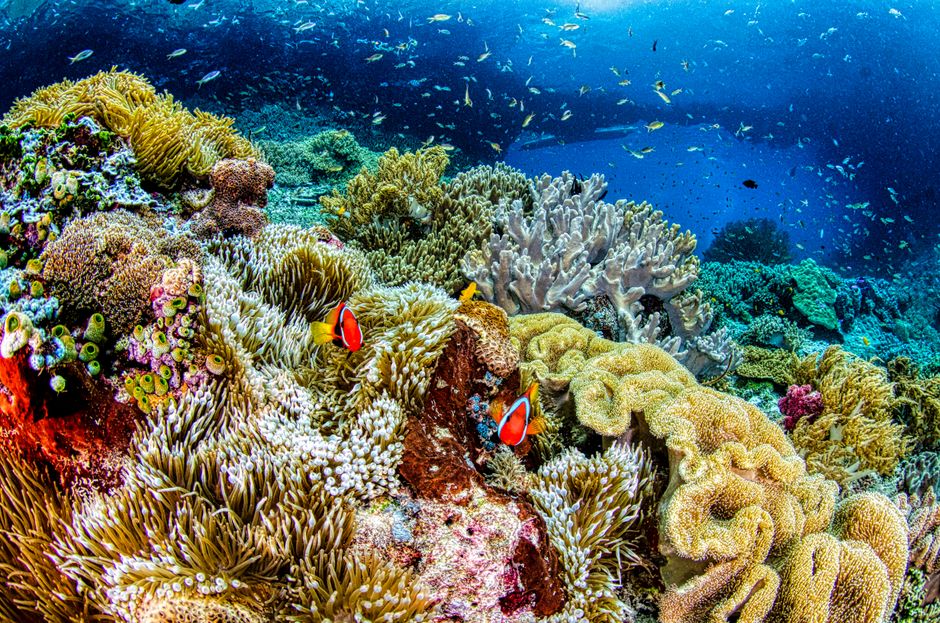
A collaborative study by researchers at the Australian Institute of Marine Science (AIMS) and Stanford University has identified specific gene variants in certain coral species that confer increased tolerance to higher ocean temperatures. Through large-scale genomic sequencing of corals exposed to varying heat stress, they found that corals possessing a particular allele in the gene `HSP70` exhibited a 20% higher survival rate under thermal stress conditions compared to those without. This discovery provides crucial insights into the genetic mechanisms underlying coral heat resilience. The surprising implication is the potential for selective breeding or even gene-editing strategies to bolster vulnerable coral populations.
Editorial check
How this page is checked
Source trail
science.org
External links are separated from Surfaced commentary.
Reader safety
Context before clicks
Product links and external services are not presented as guarantees.
Monetization
No affiliate flag
Ads and commerce links are kept distinct from editorial text.
Surfaced take
Why It’s Fascinating
Experts are excited because this offers a glimmer of hope for coral reefs, which are among the most imperiled ecosystems globally, challenging the narrative of inevitable decline. This research confirms that genetic diversity plays a crucial role in species survival during environmental crises. Within 5-10 years, this discovery could lead to targeted conservation efforts, such as identifying and protecting resilient coral populations, or even developing 'super corals' for restoration projects in damaged reefs. Think of it like finding a natural superpower within coral DNA that allows some to better withstand the warming waters, giving scientists a blueprint for protection. Marine biologists, conservationists, and tourism industries reliant on healthy reefs will benefit immensely. Can we leverage this genetic knowledge to outpace the rate of ocean warming and save these critical ecosystems?
Related

Internet Archive Switzerland
The Internet Archive has announced the establishment of a new data center in Switzerland, marking a significant expansion of its global mission to preserve…

T3MP3ST
T3MP3ST is an advanced, autonomous red teaming platform designed for offensive security operations. It utilizes a multi-agent meta-harness architecture to…
Enjoyed this? Get five picks like this every morning.
Free daily newsletter — zero spam, unsubscribe anytime.