Photo via Pexels
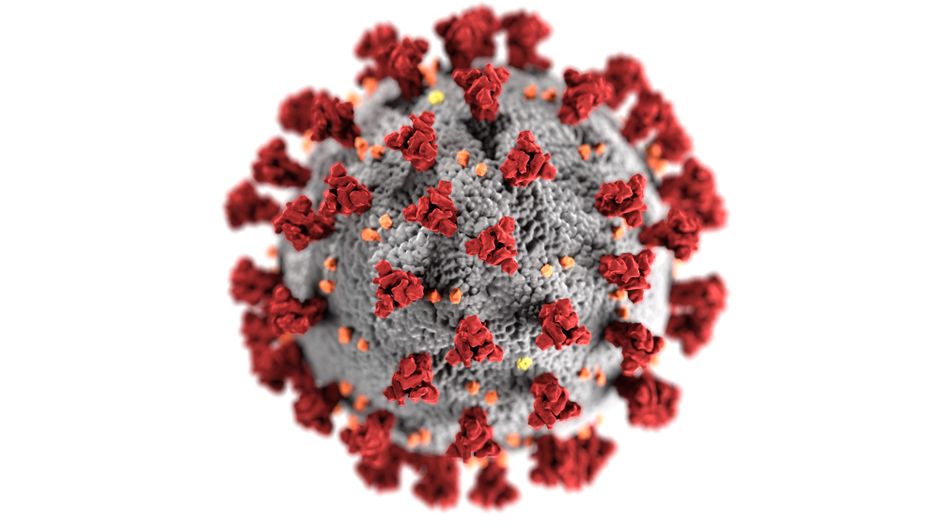
A team led by Jean-Marie Baty and other researchers from Aix-Marseille University successfully revived a Pithovirus, along with several other ancient viruses, from Siberian permafrost. The viruses, dormant for up to 48,500 years, were shown to be still infectious, specifically targeting amoebas in laboratory conditions. Researchers extracted samples from seven different permafrost sites, including lake sediments and woolly mammoth stomach contents, then cultured the ancient viruses with amoeba hosts to confirm viability. This discovery highlights the potential for ancient, unknown viruses to resurface as permafrost thaws, posing novel biological risks to ecosystems and potentially humans. The findings were published in the journal *Viruses* on February 18, 2023.
Editorial check
How this page is checked
Source trail
mdpi.com
External links are separated from Surfaced commentary.
Reader safety
Context before clicks
Product links and external services are not presented as guarantees.
Monetization
No affiliate flag
Ads and commerce links are kept distinct from editorial text.
Surfaced take
Why It’s Fascinating
Experts are deeply concerned because the successful revival of such ancient viruses suggests that many others, potentially pathogenic to humans or animals, could emerge from rapidly thawing permafrost. This matters far beyond the lab as it represents a new category of global health threat, given the lack of immunity in modern populations to long-extinct pathogens. Within 5-10 years, this could lead to new biosafety protocols for Arctic research and increased surveillance for novel pathogens in thawing regions, potentially informing public health strategies. Imagine a forgotten biological time capsule buried deep in ice, holding microscopic entities that, once exposed to the air, could still be 'read' and act upon modern life – that's what these ancient viruses are. Policymakers, public health officials, and communities living near thawing permafrost stand to benefit most from understanding these risks. What preventive measures can realistically be implemented to contain potential outbreaks from ancient pathogens in remote, rapidly changing environments? This contrasts sharply with typical modern viral outbreaks, which usually involve recently evolved or adapted strains, not those from epochs past.
Related

Graphistry
Graphistry is a GPU-accelerated visual graph analytics platform that allows users to interactively visualize and explore massive networks and relationships in…

openscience
openscience is an open-source AI workbench designed to accelerate scientific research. It provides a collaborative platform for data scientists, researchers…
Enjoyed this? Get five picks like this every morning.
Free daily newsletter — zero spam, unsubscribe anytime.