Photo via Pexels
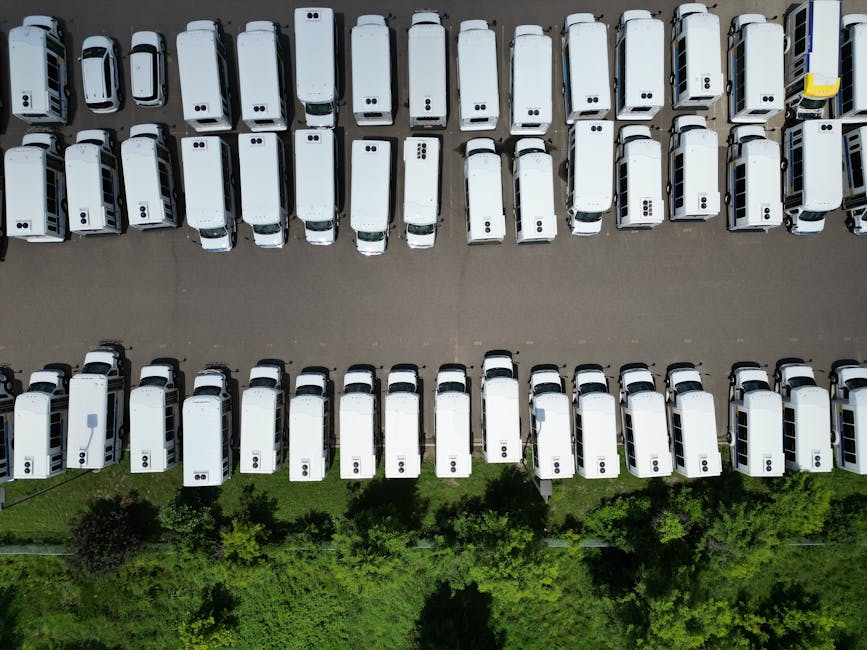
Swarm Intelligence for Autonomous Fleet Optimization applies principles observed in natural swarms (like ant colonies or bird flocks) to manage and coordinate large fleets of robotaxis. Individual autonomous vehicles communicate and share real-time data to collectively optimize routing, passenger pickup/drop-off, rebalancing, and energy efficiency across an entire urban network. Companies like Google's Waymo, General Motors' Cruise, and emerging logistics startups are exploring and implementing aspects of this technology. This is largely in advanced research and early pilot stages, with proprietary algorithms being tested in limited operational domains. For instance, a 2022 paper from the University of California, Berkeley, demonstrated a multi-agent reinforcement learning approach that improved fleet utilization by 15-20% compared to centralized dispatch systems in simulated environments. It moves beyond traditional centralized dispatch systems by allowing for more dynamic, decentralized, and resilient fleet management.
Editorial check
How this page is checked
Source trail
waymo.com
External links are separated from Surfaced commentary.
Reader safety
Context before clicks
Product links and external services are not presented as guarantees.
Monetization
No affiliate flag
Ads and commerce links are kept distinct from editorial text.
Surfaced take
Why It Matters
Inefficient dispatch and rebalancing are major cost drivers for ride-hailing services, impacting a global ride-sharing market projected to reach $300 billion by 2026. Swarm intelligence will drastically improve the efficiency, responsiveness, and profitability of robotaxi services, minimizing wait times and deadhead miles. Robotaxi operators will see significant cost savings and increased market share, while traditional taxi services and private car ownership may further decline. Technical barriers include ensuring robust, real-time communication across thousands of vehicles, developing sophisticated decentralized decision-making algorithms, and mitigating potential cascading failures. Expect to see significant deployment in major robotaxi operations within 5-10 years, with intense competition among existing ride-hailing giants and new autonomous mobility providers. A second-order consequence is the potential for these optimized fleets to dynamically adapt to major urban events, such as concerts or emergencies, providing highly flexible and responsive public transportation alternatives.
Development Stage
Related

Evidence
Evidence is an open-source, code-based business intelligence tool that allows data professionals to build and deploy data-driven reports and dashboards using…

Ruflo
Ruflo is an open-source agent orchestration platform from RuvNet built around Claude Code, MCP tooling, and coordinated multi-agent workflows. It adds a plugin…
Enjoyed this? Get five picks like this every morning.
Free daily newsletter — zero spam, unsubscribe anytime.