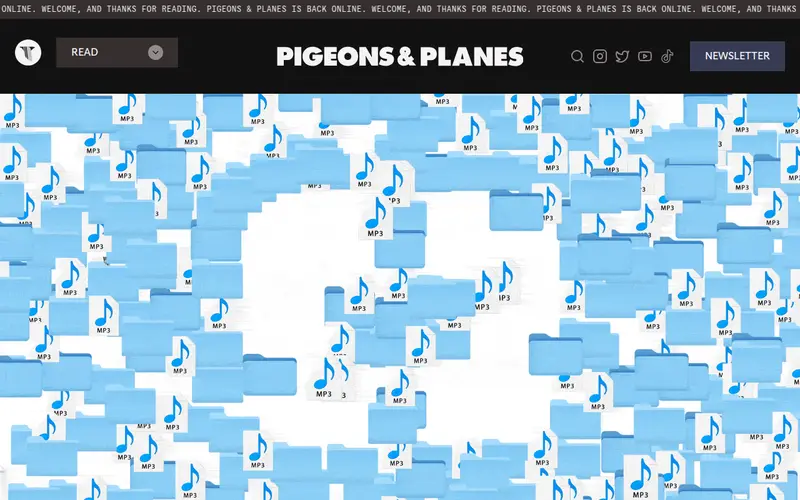
This article delves into the cultural phenomenon of music piracy, exploring not just the act of illegal downloading but the community, the effort, and the unique joy it once brought to enthusiasts. It reflects on the early days of Napster, Kazaa, and the intricate network of file-sharing communities, contrasting it with the sterile convenience of modern streaming services. The piece touches on the desire for ownership, discovery, and the 'treasure hunt' aspect of acquiring music before its widespread digital availability.
Editorial check
How this page is checked
Source trail
pigeonsandplanes.com
External links are separated from Surfaced commentary.
Reader safety
Context before clicks
Product links and external services are not presented as guarantees.
Monetization
No affiliate flag
Ads and commerce links are kept distinct from editorial text.
Surfaced take
Why It’s Useful
For anyone who grew up in the pre-streaming era or has an interest in digital culture's evolution, this is a surprisingly insightful and nostalgic read. It goes beyond a simple condemnation of piracy to explore the human element and the social dynamics that made it a significant part of early internet culture. It's useful for understanding the historical context of music consumption, the shift towards digital ownership, and the perceived loss of personal curation and community that many feel with the rise of subscription-based streaming. It appeals to those who miss the thrill of discovering music through unconventional means and the shared experience within early online communities.
In everyday life
When you’d actually reach for this
When you're reminiscing about your college days and the thrill of discovering new bands before they were mainstream, or when you're explaining to a younger relative how music sharing used to work before streaming.







Enjoyed this? Get five picks like this every morning.
Free daily newsletter — zero spam, unsubscribe anytime.