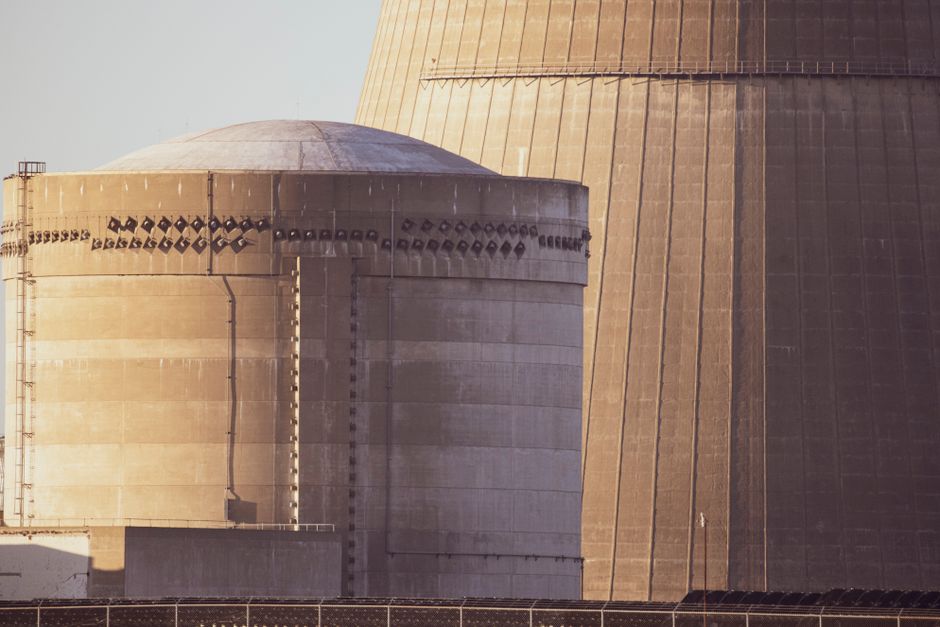
Photo via Pexels
Thorium Molten Salt Reactors are advanced nuclear reactors that use a liquid fuel mixture of thorium and uranium dissolved in molten fluoride salts, rather than solid fuel rods. This liquid fuel allows for online refueling, continuous waste removal, and inherent safety features that prevent meltdowns by passively draining the fuel. Key organizations like the Shanghai Institute of Applied Physics (SINAP) and Flibe Energy are actively developing these systems. The technology is currently in the advanced research and prototype testing stage, with China's TMSR-LF1 prototype achieving initial criticality in 2021 as part of a demonstration project. Compared to conventional light-water reactors, TMSRs promise significantly less long-lived radioactive waste, higher fuel utilization, and improved safety characteristics.
Editorial check
How this page is checked
Source trail
Editorial source pending
External links are separated from Surfaced commentary.
Reader safety
Context before clicks
Product links and external services are not presented as guarantees.
Monetization
No affiliate flag
Ads and commerce links are kept distinct from editorial text.
Surfaced take
Why It Matters
The world faces a pressing need for clean, abundant, and safe energy sources to combat climate change and meet growing demand, which could reach 30 terawatts by 2050. When mainstream, TMSRs could provide baseload power, enabling a future where electricity is cheap, stable, and virtually carbon-free, powering homes and industries without relying on fossil fuels or leaving a legacy of nuclear waste. Countries with significant thorium reserves like India and China stand to gain immense energy independence, while the fossil fuel industry faces existential disruption. Major technical barriers include material corrosion in molten salt environments and establishing robust regulatory frameworks for liquid-fueled designs. Commercial pilot plants could emerge in the 2030s, with widespread adoption by the 2050s, primarily driven by China, India, and private US ventures. A second-order consequence is a significant geopolitical shift away from reliance on uranium-rich nations for nuclear fuel, empowering new energy leaders.
Development Stage
Related

Belgium Stops Nuclear Power Plant Decommissioning
This news article, likely from a reputable international news agency, reports on a critical policy reversal by the Belgian government regarding its…

Upstream
Upstream redefines the email experience by creating an inbox designed for seamless collaboration between humans and AI agents. It's built to be a delightful…
Enjoyed this? Get five picks like this every morning.
Free daily newsletter — zero spam, unsubscribe anytime.