Photo via Pexels
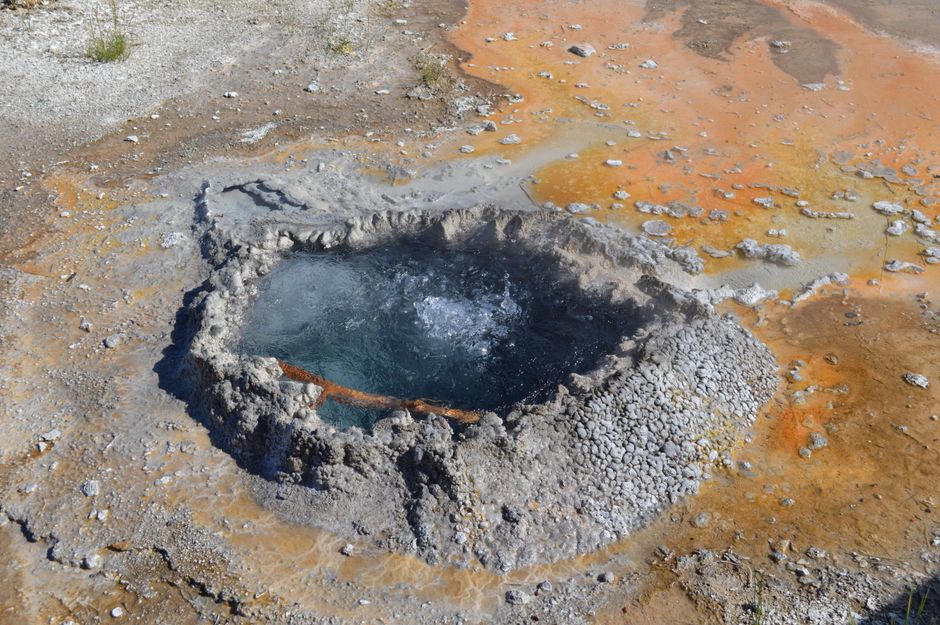
Scientists from MBARI and the University of Washington have discovered a novel type of hydrothermal vent ecosystem in the Guaymas Basin, Gulf of California, characterized by unique microbial communities thriving on hydrocarbon-rich fluids. Unlike typical 'black smoker' vents, these 'white smokers' emit fluids rich in methane and other hydrocarbons, forming extensive microbial mats and carbonate structures. Remotely operated vehicles (ROVs) such as *Doc Ricketts* collected fluid and sediment samples, along with visual observations, identifying over 30 new species of microbes, including bacteria and archaea. The surprising implication is that deep-sea vents can support a far wider range of chemosynthetic metabolisms than previously thought, based on diverse energy sources beyond just hydrogen sulfide. This discovery was detailed in *PNAS* in 2019.
Editorial check
How this page is checked
Source trail
pnas.org
External links are separated from Surfaced commentary.
Reader safety
Context before clicks
Product links and external services are not presented as guarantees.
Monetization
No affiliate flag
Ads and commerce links are kept distinct from editorial text.
Surfaced take
Why It’s Fascinating
Experts were amazed by the sheer diversity of life and the unique metabolic pathways found, demonstrating how life adapts to exploit novel energy sources in extreme environments. This overturns the conventional view that deep-sea chemosynthesis is predominantly sulfur-based, expanding our understanding of life's potential origins and energy strategies. A concrete real-world application could be the discovery of novel enzymes from these microbes, useful in bioremediation of oil spills or in industrial processes, within 5-10 years. Imagine a thriving alien city powered by crude oil, but at the bottom of our own ocean. Astrobiologists, biotechnologists, and marine geologists benefit most, offering insights into the possibility of life on other planets and new biochemical compounds. Could such hydrocarbon-powered ecosystems shed light on the origins of life on Earth itself?
Related

Hardware Attestation as Monopoly Enabler
This article discusses how hardware attestation, a security feature that verifies the integrity of a device's hardware and software, can be leveraged by large…

Fable
Fable is a mobile-first role-playing game designed for social storytelling and collaborative adventure. It allows groups of friends to embark on shared quests…
Enjoyed this? Get five picks like this every morning.
Free daily newsletter — zero spam, unsubscribe anytime.