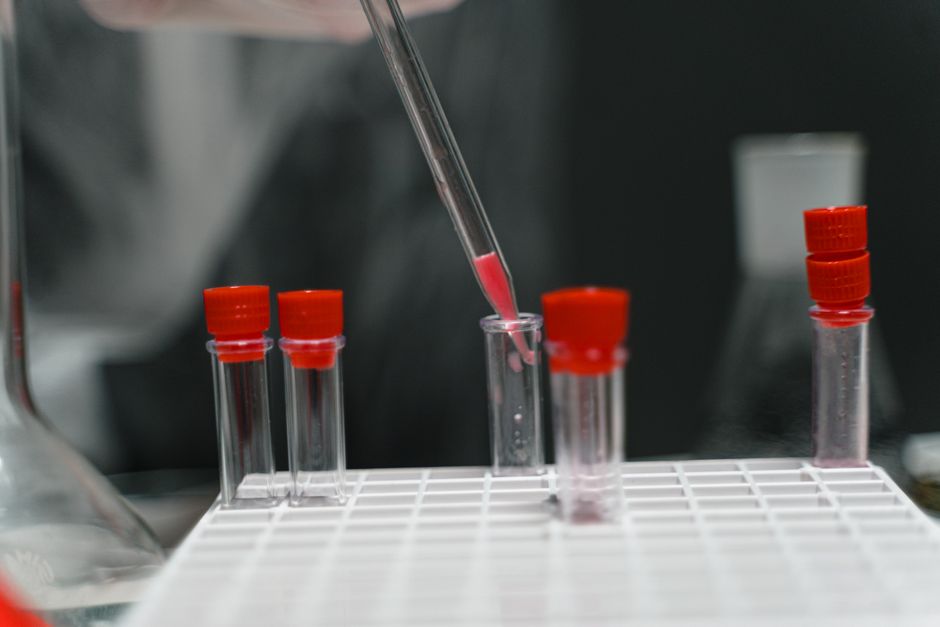
Photo via Pexels
Allogeneic mitochondrial transfer therapy involves isolating healthy mitochondria from a donor (not the patient themselves, hence 'allogeneic') and directly injecting them into a recipient's diseased or aging cells. The aim is to replace or supplement dysfunctional mitochondria, which are critical for cellular energy production and decline with age, leading to improved cellular respiration and overall cell function. Research groups at institutions like Harvard Medical School and the Children's Hospital of Philadelphia have been exploring this for various diseases. The technology is currently in advanced preclinical stages and early clinical trials, primarily for specific mitochondrial diseases and ischemia-reperfusion injury. A study published in Nature in 2020 demonstrated successful mitochondrial transfer and functional improvement in myocardial cells after ischemia-reperfusion injury. This differs significantly from traditional drug therapies by directly providing functional organelles rather than modulating existing cellular processes.
Editorial check
How this page is checked
Source trail
nature.com
External links are separated from Surfaced commentary.
Reader safety
Context before clicks
Product links and external services are not presented as guarantees.
Monetization
No affiliate flag
Ads and commerce links are kept distinct from editorial text.
Surfaced take
Why It Matters
Mitochondrial dysfunction is a hallmark of aging and is implicated in a vast array of age-related diseases, including heart failure, neurodegenerative disorders, and metabolic diseases, affecting billions and leading to severe health decline. Successful mitochondrial transfer could rejuvenate aging tissues and organs, restoring energy production and cellular health, allowing individuals to maintain organ function and vitality well into old age. Biotech companies specializing in cell therapies and regenerative medicine would be major beneficiaries, while existing treatments for chronic organ failure might see competition. Key barriers include ensuring the safety and integration of donor mitochondria, avoiding immune rejection, and scaling the process for broad therapeutic use. Initial human clinical trials for specific acute conditions are ongoing, with broad anti-aging applications potentially 15-25 years away. Companies like Stealth BioTherapeutics and Khondrion are working on mitochondrial-targeted therapies, with research concentrated in the US and Europe. A second-order consequence could be a dramatic shift in organ transplantation and regenerative medicine, where cellular components, not just whole organs, become transferable for rejuvenation.
Development Stage
Related

MedlinePlus Drug Information
MedlinePlus, a service of the National Library of Medicine (NLM) and the National Institutes of Health (NIH), provides comprehensive and reliable information…

Personal Health Journal App
This application serves as a comprehensive digital journal for tracking various aspects of personal health, including symptoms, medication intake, mood, sleep…
Enjoyed this? Get five picks like this every morning.
Free daily newsletter — zero spam, unsubscribe anytime.