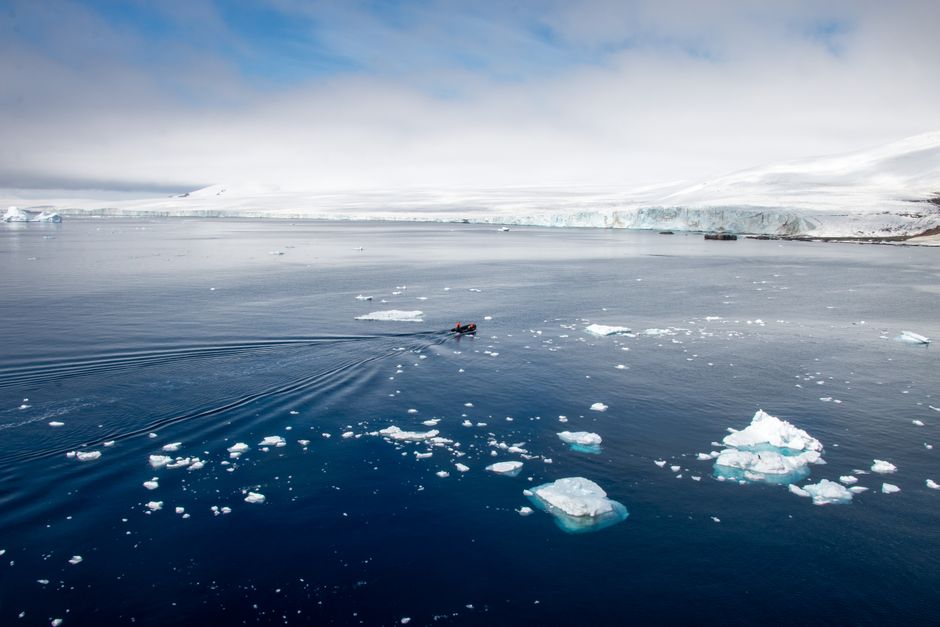
Photo via Pexels
A significant study by the British Antarctic Survey (BAS) and international partners has revealed a substantial decline in Antarctic krill biomass in key feeding grounds over the last 50 years. Researchers observed an average reduction of 30% in krill populations, with some areas experiencing drops of up to 80%, directly correlating with rising ocean temperatures and reduced winter sea ice extent. The methodology involved long-term acoustic surveys, net sampling, and satellite data analysis across the Southern Ocean. This decline poses a severe threat to the entire Antarctic food web, as krill are a foundational species for whales, seals, and penguins. The findings were published in *Nature Climate Change*.
Editorial check
How this page is checked
Source trail
nature.com
External links are separated from Surfaced commentary.
Reader safety
Context before clicks
Product links and external services are not presented as guarantees.
Monetization
No affiliate flag
Ads and commerce links are kept distinct from editorial text.
Surfaced take
Why It’s Fascinating
Experts are deeply concerned because krill are the lynchpin of the Southern Ocean ecosystem, and their dramatic decline signals a profound shift with cascading effects on charismatic megafauna that depend on them. This research confirms the direct and rapid impact of climate change on foundational marine species, reinforcing predictions of ecosystem collapse if warming trends continue. Within 5-10 years, this could necessitate stricter international fishing quotas for krill and intensified efforts to mitigate climate change to protect the Southern Ocean's biodiversity. Picture a vital food source vanishing from a bustling buffet, leaving all the diners hungry and struggling to survive. Conservationists, climate scientists, and policymakers focused on sustainable resource management benefit most from this critical data. How will Antarctic ecosystems adapt, or fail to adapt, to such rapid and fundamental changes in their primary food source?
Related
Gleam
Gleam is an open-source, interactive data visualization tool developed by Google that enables rapid exploration of large datasets directly in your web browser…

Insight Timer: Meditation App
Insight Timer, developed by the same team, is the world's largest free meditation app, offering thousands of guided meditations, talks, and ambient sounds from…
Enjoyed this? Get five picks like this every morning.
Free daily newsletter — zero spam, unsubscribe anytime.