Photo via Pexels
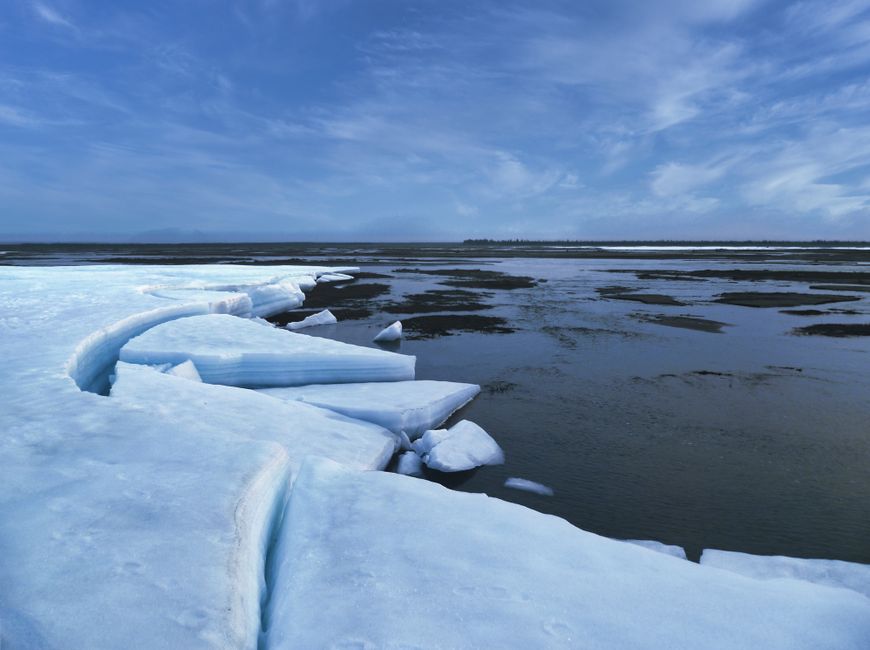
Arctic Sea Ice Albedo Restoration is a regional geoengineering strategy aimed at slowing or reversing the melting of Arctic sea ice by increasing its reflectivity. This typically involves distributing reflective materials like hollow glass microspheres or silica over vulnerable ice surfaces, thereby increasing the albedo (reflectivity) and reducing solar absorption. Research teams at Arizona State University's School of Earth and Space Exploration (e.g., Ice911 project) and the Arctic Ice Project are actively developing and testing these materials. This technology is in the prototype and early commercial pilot stage, with the Arctic Ice Project having conducted small-scale field tests in Alaska and Canada since 2018, demonstrating localized cooling effects and reduced melt rates. This differs from global solar radiation management by focusing on a specific, critically endangered region.
Editorial check
How this page is checked
Source trail
Editorial source pending
External links are separated from Surfaced commentary.
Reader safety
Context before clicks
Product links and external services are not presented as guarantees.
Monetization
No affiliate flag
Ads and commerce links are kept distinct from editorial text.
Surfaced take
Why It Matters
The rapid melting of Arctic sea ice contributes to global sea-level rise, disrupts global weather patterns, and accelerates warming through the ice-albedo feedback loop, threatening indigenous communities and global climate stability. Successful Arctic sea ice restoration could preserve polar ecosystems, stabilize global weather, and slow sea-level rise, benefiting coastal populations worldwide and Arctic indigenous groups. Tourism industries in the Arctic could see extended seasons, while shipping industries might face continued restrictions on Arctic routes. Major challenges include developing cost-effective, non-toxic, and durable reflective materials suitable for the harsh Arctic environment, ensuring large-scale deployment logistics, and monitoring ecological impacts on marine life. Small-scale regional deployment projects are already underway, with potential for larger pilots in the 2030s, if efficacy and safety are proven. Private philanthropic initiatives and some government grants (e.g., US NOAA) support these projects. A second-order consequence could be changes in local nutrient cycling and light penetration within the water column, potentially affecting primary productivity and the entire Arctic food web in unforeseen ways.
Development Stage
Related

Belgium Stops Nuclear Power Plant Decommissioning
This news article, likely from a reputable international news agency, reports on a critical policy reversal by the Belgian government regarding its…

DLSS5-Swapper
DLSS5-Swapper is a user-friendly tool designed to simplify the installation, management, and restoration of NVIDIA's DLSS (Deep Learning Super Sampling)…
Enjoyed this? Get five picks like this every morning.
Free daily newsletter — zero spam, unsubscribe anytime.