Photo via Pexels
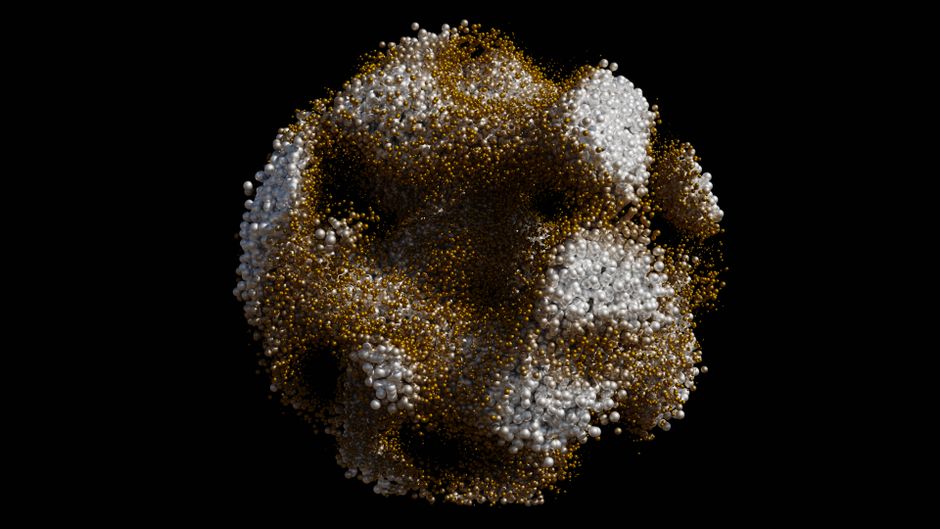
High-Altitude Solid Particle Injection (HASPI) is a proposed solar radiation management technique similar to stratospheric aerosol injection but utilizes solid, reflective particles instead of liquid aerosols. Materials like calcium carbonate (CaCO3) or even diamond dust are being investigated for their superior reflective properties and potential for fewer adverse chemical reactions in the stratosphere compared to sulfates. Research groups at Harvard University (as an alternative to sulfate injection) and various atmospheric chemistry labs are exploring the optical properties and atmospheric behavior of these alternative particles. This technology is in the early research and modeling stage, with laboratory experiments characterizing particle properties and atmospheric models simulating their effects. HASPI aims to offer a potentially cleaner and more effective solar reflection than sulfur-based aerosols.
Editorial check
How this page is checked
Source trail
science.org
External links are separated from Surfaced commentary.
Reader safety
Context before clicks
Product links and external services are not presented as guarantees.
Monetization
No affiliate flag
Ads and commerce links are kept distinct from editorial text.
Surfaced take
Why It Matters
The urgency of climate change demands a range of potential interventions, including those that might have fewer side effects than current proposals, given the risk of unforeseen atmospheric chemistry changes. HASPI could provide a more environmentally benign and potentially more efficient method of solar radiation management, reducing the risks associated with stratospheric ozone depletion or acid rain from sulfur injections. Industries involved in advanced materials manufacturing and aerospace for delivery systems would see growth, while regions reliant on specific atmospheric conditions for agriculture might face uncertainty. Key barriers include the extremely high cost of producing and deploying vast quantities of novel solid particles, ensuring their non-toxicity, and preventing aggregation or unintended atmospheric reactions. Realistic small-scale testing of HASPI materials could begin in the 2030s, with potential large-scale consideration post-2060, contingent on extensive safety research. Funding bodies like the National Science Foundation (US) and European research councils support basic research into alternative aerosols. A second-order consequence could be changes in atmospheric optical phenomena, potentially leading to more vibrant sunsets but also impacting astronomical observations or satellite communications.
Development Stage
Related

Belgium Stops Nuclear Power Plant Decommissioning
This news article, likely from a reputable international news agency, reports on a critical policy reversal by the Belgian government regarding its…

Garden Skills
garden-skills is an open-source collection of skills curated by ConardLi, covering a wide range of topics including web design, knowledge retrieval, image…
Enjoyed this? Get five picks like this every morning.
Free daily newsletter — zero spam, unsubscribe anytime.