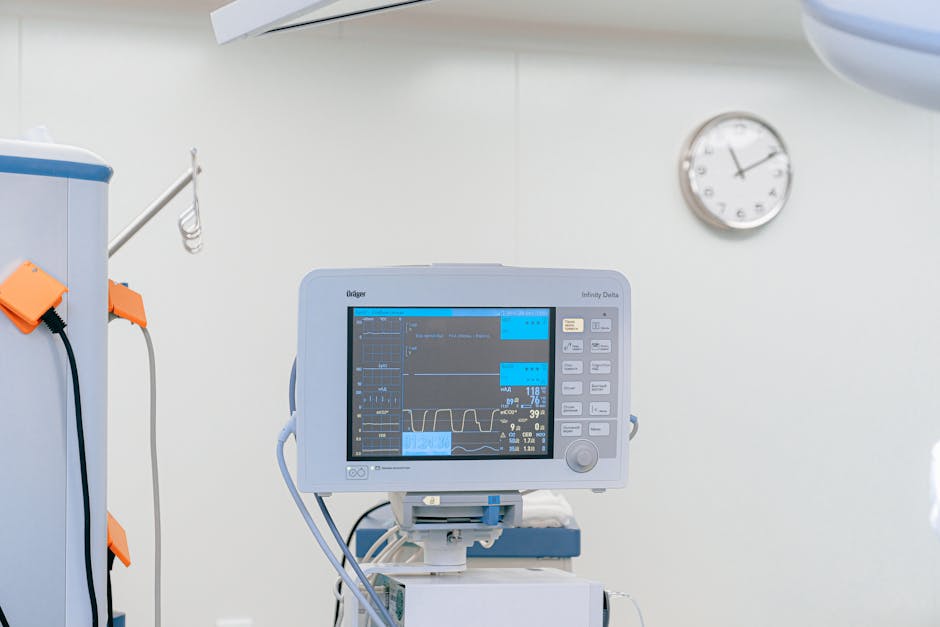
Photo via Pexels
Bio-integrated electronics combine living biological components, such as cells or enzymes, with electronic circuits to create highly sensitive and specific diagnostic devices. These systems can leverage the exquisite sensing capabilities of biological systems and translate them into electrical signals for detection and analysis. Key institutions pushing this boundary include Northwestern University, EPFL, and the University of Illinois Urbana-Champaign. The technology is currently in the advanced research and early prototype phase, with various sensors demonstrated for specific biomarkers. For instance, in a 2024 publication in Nature Biomedical Engineering, researchers unveiled a flexible, bio-integrated electronic patch using engineered cells to detect inflammatory markers on the skin, wirelessly transmitting data. This approach offers a potential leap beyond conventional lab tests, enabling continuous, real-time, and non-invasive health monitoring.
Editorial check
How this page is checked
Source trail
nature.com
External links are separated from Surfaced commentary.
Reader safety
Context before clicks
Product links and external services are not presented as guarantees.
Monetization
No affiliate flag
Ads and commerce links are kept distinct from editorial text.
Surfaced take
Why It Matters
Current medical diagnostics are often invasive, delayed, and provide only snapshots of health, missing critical early disease indicators for conditions affecting millions. Bio-integrated electronics could transform healthcare by enabling continuous, personalized health monitoring through smart wearables or implantable devices, detecting diseases like sepsis or cancer at their earliest stages. Medical device companies and health tech startups would thrive, while traditional diagnostic labs might need to shift focus to more complex analyses. Major hurdles include ensuring biocompatibility and long-term stability of the bio-electronic interface, along with robust data privacy and security frameworks; rigorous clinical validation and regulatory approvals are essential. We might see initial consumer or niche clinical applications within 5-10 years, with widespread adoption in 15-20 years. The US, South Korea, and Japan are heavily investing in this interdisciplinary field. A second-order consequence could be a shift towards truly predictive and preventative medicine, drastically reducing the burden of chronic diseases.
Development Stage
Related
MedlinePlus Drug Information
MedlinePlus, a service of the National Library of Medicine (NLM) and the National Institutes of Health (NIH), provides comprehensive and reliable information…

Personal Health Journal App
This application serves as a comprehensive digital journal for tracking various aspects of personal health, including symptoms, medication intake, mood, sleep…
Enjoyed this? Get five picks like this every morning.
Free daily newsletter — zero spam, unsubscribe anytime.