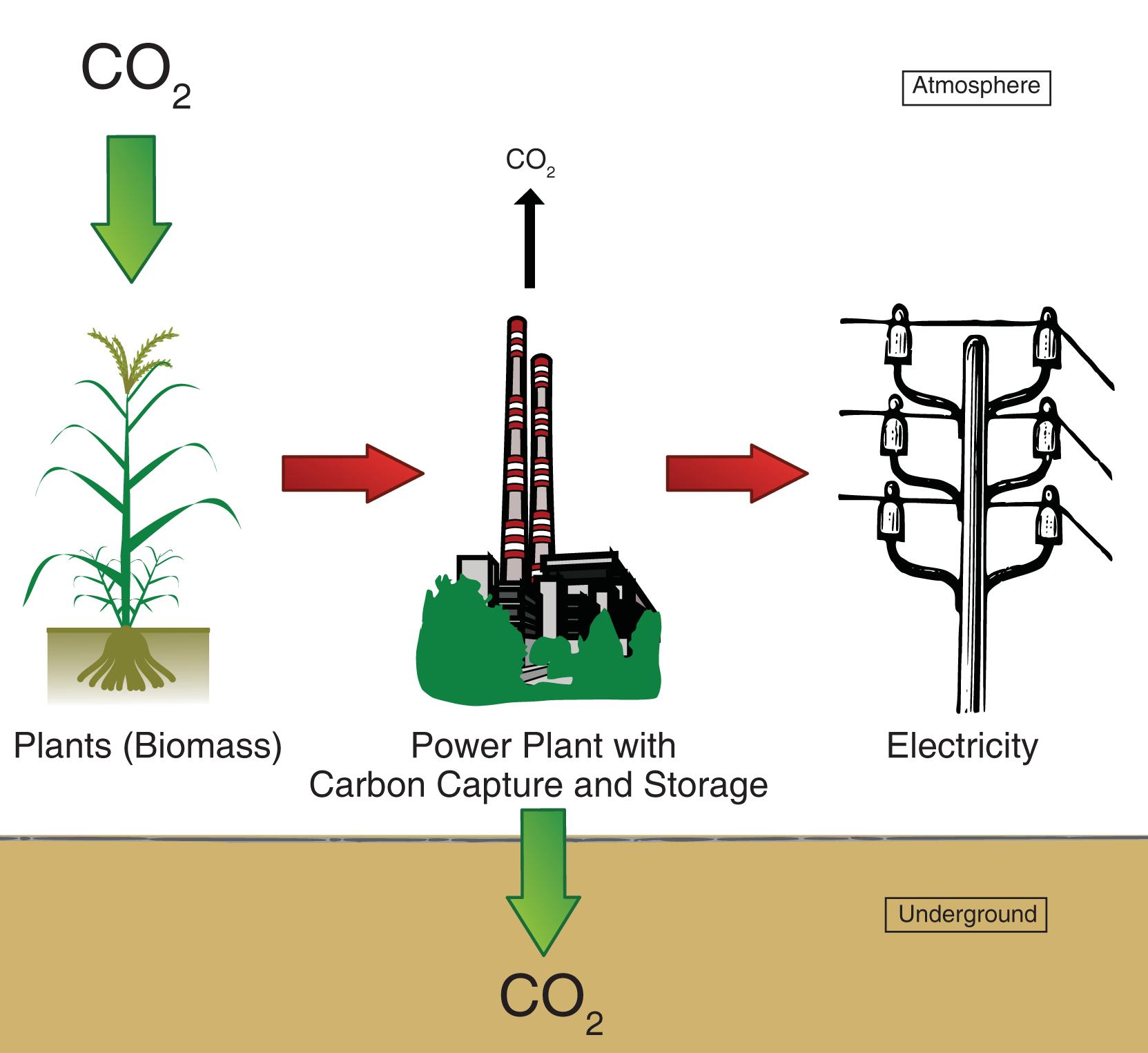
Bioenergy with Carbon Capture and Storage (BECCS) combines the generation of energy from biomass (e.g., agricultural waste, dedicated energy crops) with technologies that capture the CO2 emitted during combustion or processing, then storing it permanently underground. The biomass itself absorbs CO2 from the atmosphere as it grows, making the entire process potentially carbon-negative. Leading research and development are spearheaded by organizations like the Global CCS Institute, Drax Group (UK), and ADM (USA). This technology is in the early commercialization phase, with several operational power plants and industrial facilities worldwide. For example, ADM's Illinois facility captures 1.1 million metric tons of CO2 annually from ethanol production since 2017, storing it geologically. This directly contrasts with traditional fossil fuel power plants that only capture a fraction of their emissions, as BECCS aims for net removal.
Editorial check
How this page is checked
Source trail
drax.com
External links are separated from Surfaced commentary.
Reader safety
Context before clicks
Product links and external services are not presented as guarantees.
Monetization
No affiliate flag
Ads and commerce links are kept distinct from editorial text.
Surfaced take
Why It Matters
Reaching net-zero emissions by 2050 requires not just reducing emissions but actively removing gigatons of historical CO2 from the atmosphere, a critical challenge given current emission trajectories. A future with mainstream BECCS could see power plants and industrial facilities becoming carbon sinks, not emitters, contributing to a truly circular carbon economy where bio-waste becomes a climate solution. Agricultural sectors growing biomass for energy and companies specializing in CCS infrastructure stand to gain significantly, while some environmental groups raise concerns about land use for energy crops. Key challenges involve sustainable biomass sourcing, ensuring true carbon negativity across the lifecycle, and developing robust, safe geological storage sites. Large-scale BECCS projects are expected to multiply over the next 10-20 years, becoming a significant part of climate mitigation by 2050. The EU and UK, with their ambitious climate targets, along with the US, are major proponents and developers. An overlooked consequence is the potential for BECCS to drive significant innovation in sustainable agriculture and forestry management to meet biomass demand.
Development Stage
Related

Belgium Stops Nuclear Power Plant Decommissioning
This news article, likely from a reputable international news agency, reports on a critical policy reversal by the Belgian government regarding its…

Memoria
Memoria is a private and secure digital journaling application designed to help users capture and reflect on their daily lives. It goes beyond simple text…
Enjoyed this? Get five picks like this every morning.
Free daily newsletter — zero spam, unsubscribe anytime.