Photo via Pexels
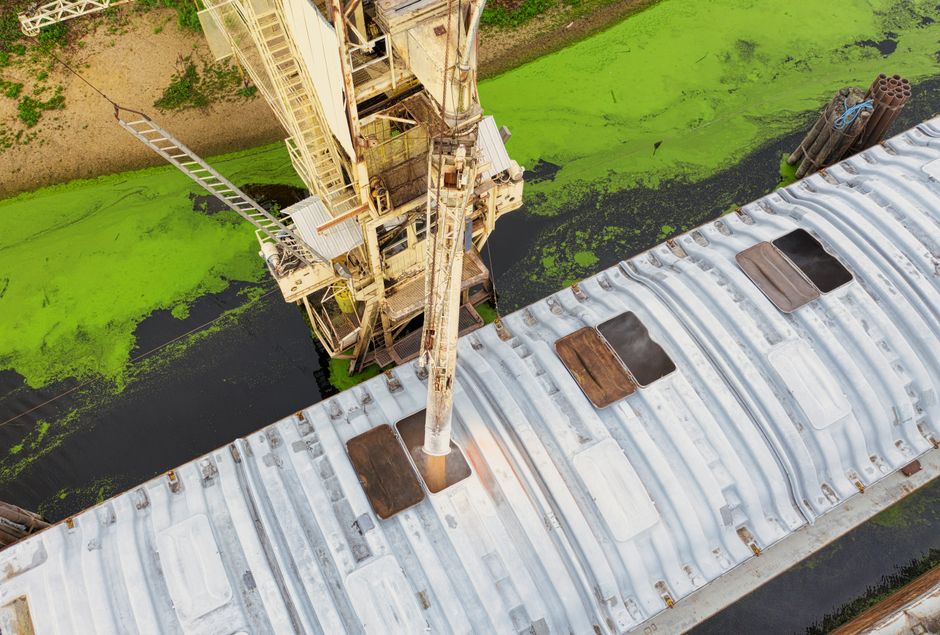
Bioenergy with Carbon Capture and Storage (BECCS) using algae involves cultivating fast-growing microalgae, which absorb CO2 during photosynthesis, then burning the algal biomass for energy, and finally capturing and storing the CO2 emissions from combustion. This process results in net negative emissions if the captured CO2 is permanently sequestered. Research institutions like the Pacific Northwest National Laboratory (PNNL) and companies such as Algenol Biofuels are exploring this pathway. The technology is in the advanced research and early pilot stage, primarily focused on optimizing algal cultivation and integrated capture systems. While large-scale BECCS using terrestrial crops is controversial, algal BECCS offers a more sustainable route, demonstrated by ongoing pilot projects in 2022-2023 showing high CO2 uptake rates and potential for biofuel production. Unlike traditional BECCS which competes for arable land, algal BECCS can be deployed on non-arable land or even in saltwater.
Editorial check
How this page is checked
Source trail
nature.com
External links are separated from Surfaced commentary.
Reader safety
Context before clicks
Product links and external services are not presented as guarantees.
Monetization
No affiliate flag
Ads and commerce links are kept distinct from editorial text.
Surfaced take
Why It Matters
Achieving net-zero emissions requires significant carbon removal, and BECCS offers a pathway to both generate renewable energy and remove CO2, essential for limiting global warming to 1.5°C. Widespread algal BECCS could provide sustainable fuel, sequester billions of tons of CO2 annually, and create new economic opportunities in biorefineries. Energy companies transitioning to renewables, agriculture (if integrated), and regions with abundant non-arable land would benefit; fossil fuel industries would face further displacement. Key barriers include the high capital cost of algal cultivation systems, the energy intensity of processing biomass, and ensuring the permanence of CO2 storage. A realistic timeline for significant commercial scale is 20-40 years, with smaller projects emerging sooner. The US, China, and parts of Europe are investing heavily in advanced biofuel and carbon capture technologies. A second-order consequence could be the creation of vast, visually impactful 'algae farms' that significantly alter landscapes, requiring new aesthetic and land-use planning considerations.
Development Stage
Related

Belgium Stops Nuclear Power Plant Decommissioning
This news article, likely from a reputable international news agency, reports on a critical policy reversal by the Belgian government regarding its…

Memoria
Memoria is a private and secure digital journaling application designed to help users capture and reflect on their daily lives. It goes beyond simple text…
Enjoyed this? Get five picks like this every morning.
Free daily newsletter — zero spam, unsubscribe anytime.