Photo via Pexels
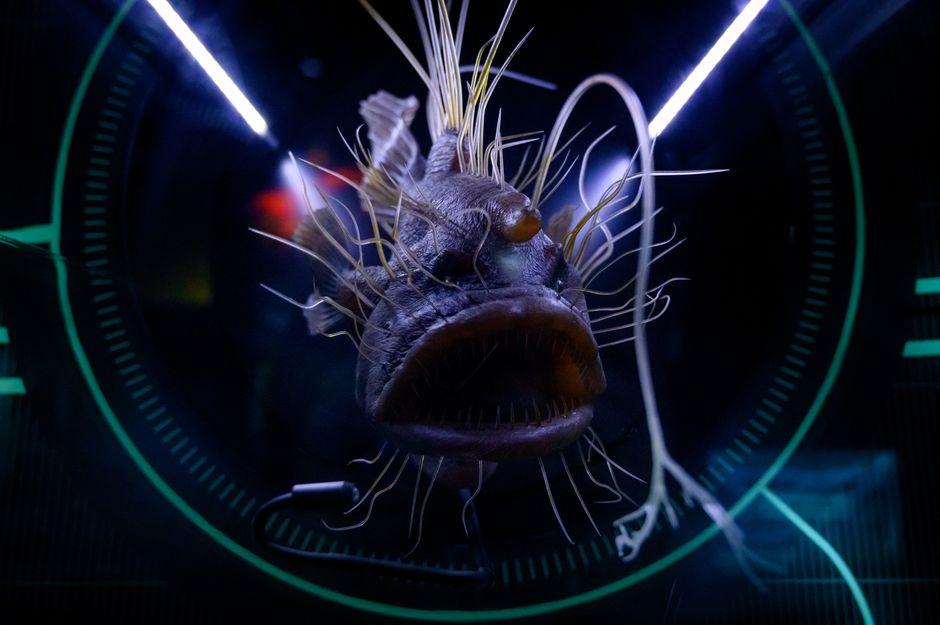
Researchers, including those at the American Museum of Natural History, have documented that bioluminescence—the ability to produce light—has independently evolved at least 90 times across the tree of life, encompassing everything from bacteria and fungi to fish, insects (like fireflies), and deep-sea invertebrates. Comparative genomic studies reveal that while the *luciferase* enzyme system is central, different molecular pathways and protein structures are co-opted to achieve light emission in various lineages. This pervasive convergent evolution underscores its significant adaptive value for communication, camouflage, predation, and defense across diverse ecological niches. This adaptability highlights bioluminescence as a highly successful evolutionary innovation, offering solutions to various environmental challenges.
Editorial check
How this page is checked
Source trail
amnh.org
External links are separated from Surfaced commentary.
Reader safety
Context before clicks
Product links and external services are not presented as guarantees.
Monetization
No affiliate flag
Ads and commerce links are kept distinct from editorial text.
Surfaced take
Why It’s Fascinating
The astonishing frequency of bioluminescence evolving independently, nearly 100 times, is a testament to its powerful adaptive benefits and the surprising ease with which nature can "reinvent" complex biochemical processes. This discovery solidifies the understanding that certain functional solutions are repeatedly accessible through evolution, confirming that strong selective pressures can lead to common outcomes from different genetic starting points. In the next 5-10 years, insights from diverse bioluminescent systems could revolutionize medical imaging, diagnostic tools, and even sustainable lighting technologies. Imagine various cultures, across different continents and eras, independently discovering ways to harness light for signaling or illumination, each using slightly different methods but achieving the same dazzling result. Biomedical engineers, ecologists, and even material scientists benefit greatly. Could we harness these diverse natural mechanisms to create entirely new forms of light?
Related

Snippyly
Snippyly, developed by a team focused on real-time collaboration, is a browser-based tool for capturing screenshots, recording screen videos, and sharing code…

Lumara Space Dashboard
Lumara is an exquisitely designed, real-time interactive web dashboard developed by a passionate team focused on space visualization, bringing celestial…
Enjoyed this? Get five picks like this every morning.
Free daily newsletter — zero spam, unsubscribe anytime.