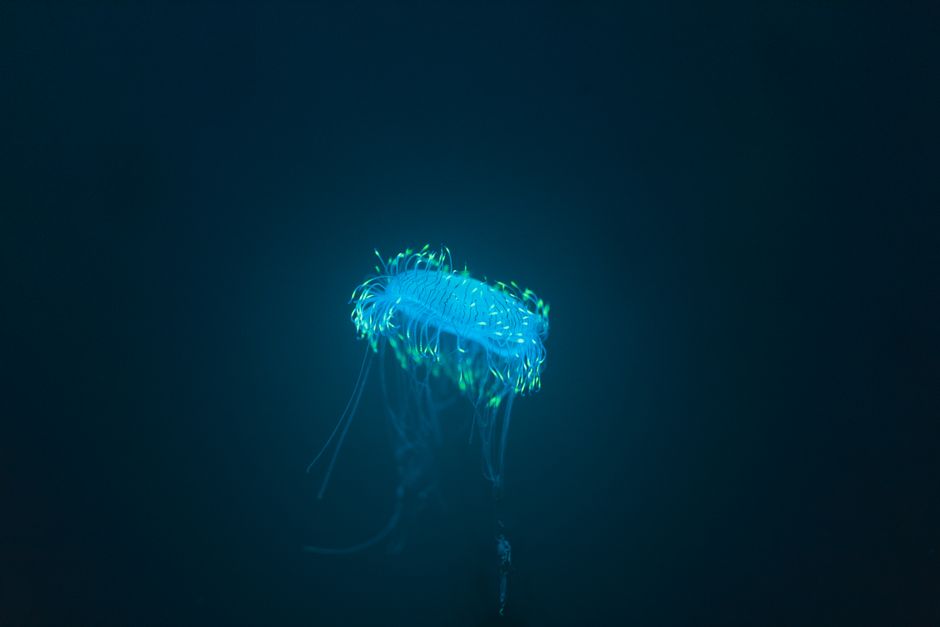
Photo via Pexels
Researchers at the Monterey Bay Aquarium Research Institute (MBARI) and Woods Hole Oceanographic Institution, in a study published in Frontiers in Marine Science, have demonstrated that changes in bioluminescent organism activity can serve as sensitive indicators of ocean health and pollution. Using specialized underwater cameras and sensors, they monitored the intensity and frequency of bioluminescent flashes from plankton and other marine life in response to environmental stressors. They found distinct patterns that correlate with nutrient pollution and temperature anomalies. This provides a novel tool for rapid assessment of marine ecosystem disturbance.
Editorial check
How this page is checked
Source trail
frontiersin.org
External links are separated from Surfaced commentary.
Reader safety
Context before clicks
Product links and external services are not presented as guarantees.
Monetization
No affiliate flag
Ads and commerce links are kept distinct from editorial text.
Surfaced take
Why It’s Fascinating
This discovery offers an innovative, real-time method to monitor the health of vast ocean areas, providing insights that traditional sampling methods might miss. It expands our understanding of how subtle changes in the marine environment manifest through biological responses, confirming the utility of 'living sensors.' Within 5-10 years, this technology could be deployed on autonomous underwater vehicles, creating a global network of biological ocean health monitors, providing early warnings for marine heatwaves or pollution events. Imagine the ocean itself 'signaling' distress through flashes of light, providing immediate feedback. Marine conservationists, environmental agencies, and scientific researchers will benefit most. Could this method help us pinpoint sources of pollution more effectively?
Related

Sleep Cycle Research Laboratory (UCLA)
The UCLA Sleep Cycle Research Laboratory serves as a vital hub for understanding the complexities of sleep science. It curates and disseminates research…

Finch: Self Care Pet
Finch, developed by Finch Inc., is a unique self-care app that gamifies mental wellness and habit formation by allowing users to nurture a virtual pet through…
Enjoyed this? Get five picks like this every morning.
Free daily newsletter — zero spam, unsubscribe anytime.