
Photo via Pexels
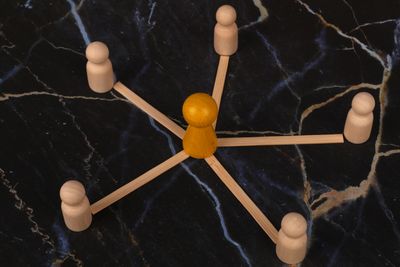
Researchers at Dartmouth College discovered that the human brain uses a "social GPS" system, akin to spatial navigation, to map out social relationships. The study found that the hippocampus, a brain region known for spatial mapping, becomes active when individuals consider social distances, like how close or distant they feel to others. Using fMRI scans, the team observed distinct neural patterns corresponding to different social distances, with individuals placing those they felt closer to in a more central mental "location." This suggests a fundamental neural mechanism for organizing our complex social world. The findings were published in Nature Neuroscience in 2021.
Editorial check
How this page is checked
Source trail
nature.com
External links are separated from Surfaced commentary.
Reader safety
Context before clicks
Product links and external services are not presented as guarantees.
Monetization
No affiliate flag
Ads and commerce links are kept distinct from editorial text.
Surfaced take
Why It’s Fascinating
This discovery reveals a profound link between our spatial navigation abilities and our social cognition, challenging the idea that these are entirely separate cognitive domains. It suggests that our brain literally plots out social connections, helping us navigate complex group dynamics and predict social outcomes, much like a mental map helps us find our way around a city. This understanding could lead to new therapies for social anxiety or autism, helping individuals better process social cues and relationships within 5-10 years. It's like your brain has a built-in relationship radar, constantly updating. Therapists, social scientists, and individuals struggling with social interactions could all benefit. Could this "social map" be intentionally rewired or improved?
Related
Kindred Connections
Kindred Connections is a dedicated relationship management platform focused on helping users actively nurture their personal and professional networks. It goes…

ThreadReaderApp
ThreadReaderApp is a web-based tool designed to transform long, often fragmented Twitter threads into a single, cohesive, and easily readable article. Users…
Enjoyed this? Get five picks like this every morning.
Free daily newsletter — zero spam, unsubscribe anytime.