Photo via Pexels
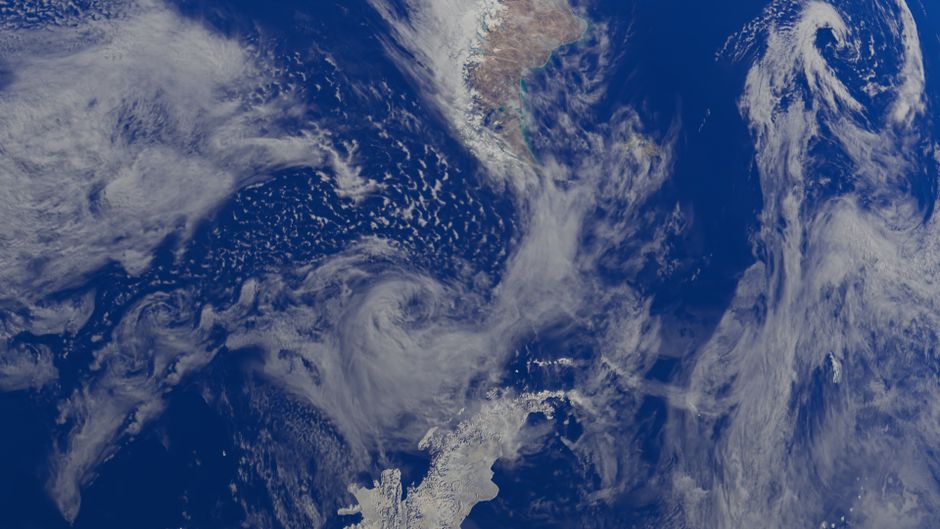
A comprehensive review led by Dr. J. J. Rutz and an international team of atmospheric scientists has elucidated how climate change is intensifying atmospheric rivers (ARs), leading to increased flood risks globally. The consensus from multiple studies indicates that for every 1°C of warming, the atmosphere can hold about 7% more moisture, directly fueling more powerful ARs. Researchers synthesized findings from climate models, reanalysis data, and observational studies to project future AR behavior. This means that while the frequency of ARs may not drastically change everywhere, their capacity to deliver extreme precipitation and cause severe flooding is rising significantly. The findings, published in the Journal of Climate in 2022, emphasize a growing threat to infrastructure and human populations.
Editorial check
How this page is checked
Source trail
nature.com
External links are separated from Surfaced commentary.
Reader safety
Context before clicks
Product links and external services are not presented as guarantees.
Monetization
No affiliate flag
Ads and commerce links are kept distinct from editorial text.
Surfaced take
Why It’s Fascinating
This intensifying trend of atmospheric rivers is a critical concern for hydrologists and disaster planners, as these events are responsible for significant flood damage and economic losses. The research confirms that a warmer atmosphere directly translates to more potent rainfall events, validating long-standing climate change predictions. Within the next 5-10 years, communities in regions prone to ARs, such as the U.S. West Coast and parts of Europe, will face heightened risks of severe flooding, landslides, and infrastructure damage, necessitating significant upgrades to water management systems. Think of a garden hose with increased water pressure; the same amount of 'hose time' (AR duration) now delivers far more water. Urban planners, emergency services, and agricultural sectors are the primary beneficiaries of this understanding for preparedness. What specific infrastructure improvements are most effective in mitigating the impacts of increasingly intense atmospheric rivers?
Related
Gleam
Gleam is an open-source, interactive data visualization tool developed by Google that enables rapid exploration of large datasets directly in your web browser…

Google Docs
Google Docs is a free, web-based word processor that allows users to create, edit, and collaborate on documents in real-time. It offers a familiar interface…
Enjoyed this? Get five picks like this every morning.
Free daily newsletter — zero spam, unsubscribe anytime.