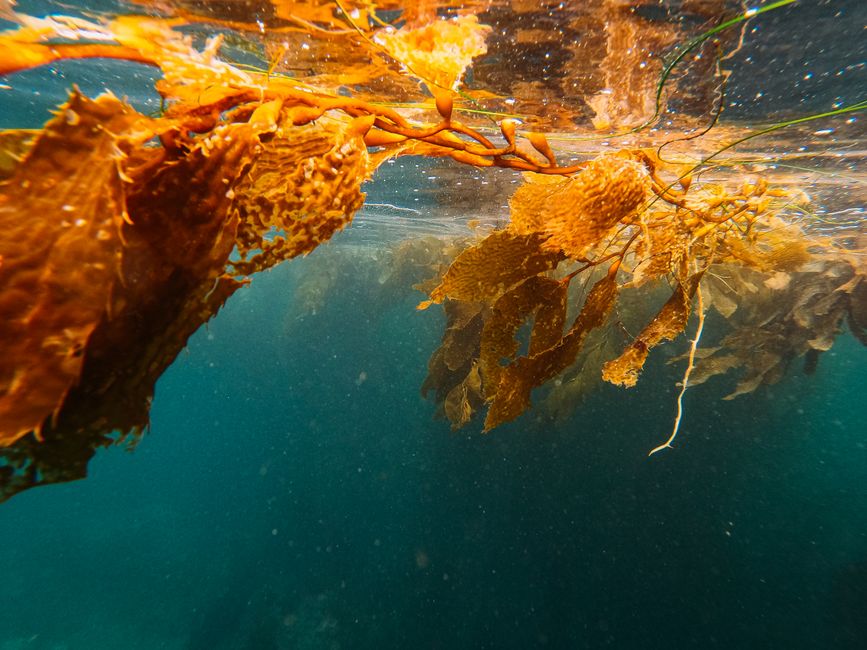
Photo via Pexels
A study led by Dr. Chelsea Crowe from the University of California, Santa Barbara, highlights the massive potential of large-scale seaweed cultivation for carbon dioxide removal (CDR) from the atmosphere. The research estimates that cultivating giant kelp over just 3.8% of the Southern California Current System could sequester 10 million metric tons of CO2 annually. Scientists utilized oceanographic models, remote sensing, and ecological data to assess the optimal conditions and capacity for kelp farming as a climate solution. This approach offers a natural, scalable method to draw down atmospheric carbon, potentially making a significant contribution to climate mitigation efforts. The findings were published in Marine Environmental Research in 2023.
Editorial check
How this page is checked
Source trail
doi.org
External links are separated from Surfaced commentary.
Reader safety
Context before clicks
Product links and external services are not presented as guarantees.
Monetization
No affiliate flag
Ads and commerce links are kept distinct from editorial text.
Surfaced take
Why It’s Fascinating
This discovery excites climate innovators and marine ecologists, offering a promising, nature-based solution for carbon capture that also provides ecosystem benefits. It confirms the significant role that marine ecosystems can play in climate mitigation, expanding our understanding beyond terrestrial forests. Within 5-10 years, large-scale seaweed farming could develop into a viable carbon offsetting industry, attracting investment and providing ecological benefits like habitat creation and ocean de-acidification. Imagine the ocean itself becoming a vast, living carbon sponge, actively pulling CO2 out of the air and water. Climate tech investors, coastal communities, and governments seeking sustainable CDR strategies are the main beneficiaries. What are the ecological and economic trade-offs of deploying vast seaweed farms in open ocean environments?
Related

Graphistry
Graphistry is a GPU-accelerated visual graph analytics platform that allows users to interactively visualize and explore massive networks and relationships in…

Snippyly
Snippyly, developed by a team focused on real-time collaboration, is a browser-based tool for capturing screenshots, recording screen videos, and sharing code…
Enjoyed this? Get five picks like this every morning.
Free daily newsletter — zero spam, unsubscribe anytime.