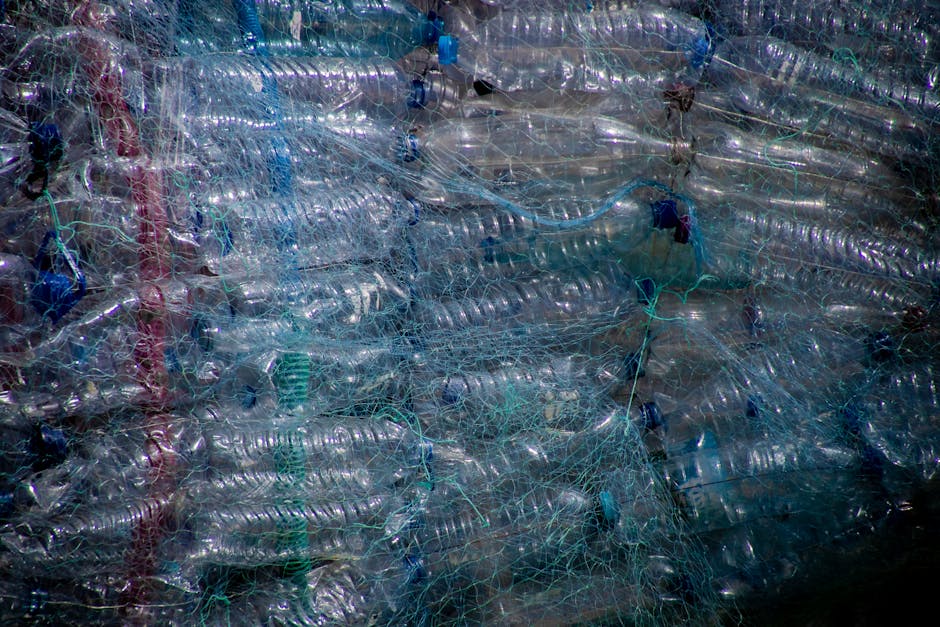
Photo via Pexels
Scientists at the University of Texas at Austin have engineered a novel enzyme, dubbed FAST-PETase, capable of rapidly degrading polyethylene terephthalate (PET) plastic. This modified enzyme can break down PET plastics into their monomer building blocks within hours to days, even at low temperatures, a significant improvement over naturally occurring enzymes. The research team utilized machine learning to predict beneficial mutations, creating a super-enzyme that functions effectively at 50°C. The astonishing implication is that PET plastic, which normally takes centuries to degrade, can now be biologically recycled in a fraction of the time, allowing for a truly circular plastic economy. This landmark study was published in *Nature* in 2022.
Editorial check
How this page is checked
Source trail
nature.com
External links are separated from Surfaced commentary.
Reader safety
Context before clicks
Product links and external services are not presented as guarantees.
Monetization
No affiliate flag
Ads and commerce links are kept distinct from editorial text.
Surfaced take
Why It’s Fascinating
Experts are particularly excited by the speed and efficiency of FAST-PETase, as previous enzyme-based methods were too slow or required higher temperatures to be industrially viable. This breakthrough overturns the perception that enzymatic degradation of robust synthetic polymers like PET is inherently too slow for practical application. Within 5-10 years, this engineered enzyme could be deployed in large-scale bioreactors at recycling facilities, revolutionizing the processing of PET plastic waste from landfills and oceans into new, virgin-quality plastic products. Think of this enzyme as a biological 'Pac-Man' for plastic, munching away at waste rapidly and efficiently. Recycling companies, plastic manufacturers, and environmental conservationists grappling with plastic pollution will benefit immensely. What if all plastic could be infinitely recycled back into its original form, eliminating waste entirely? This offers a far more sustainable and less energy-intensive alternative to mechanical recycling or incineration.
Related

Google broke reCAPTCHA for de-Googled Android users
This article reports on a significant issue where Google's reCAPTCHA service has become non-functional for users running de-Googled versions of Android. This…

LingoDeer
LingoDeer is a language-learning app designed to provide a structured and comprehensive approach to mastering new languages, particularly focusing on East…
Enjoyed this? Get five picks like this every morning.
Free daily newsletter — zero spam, unsubscribe anytime.