Photo via Pexels
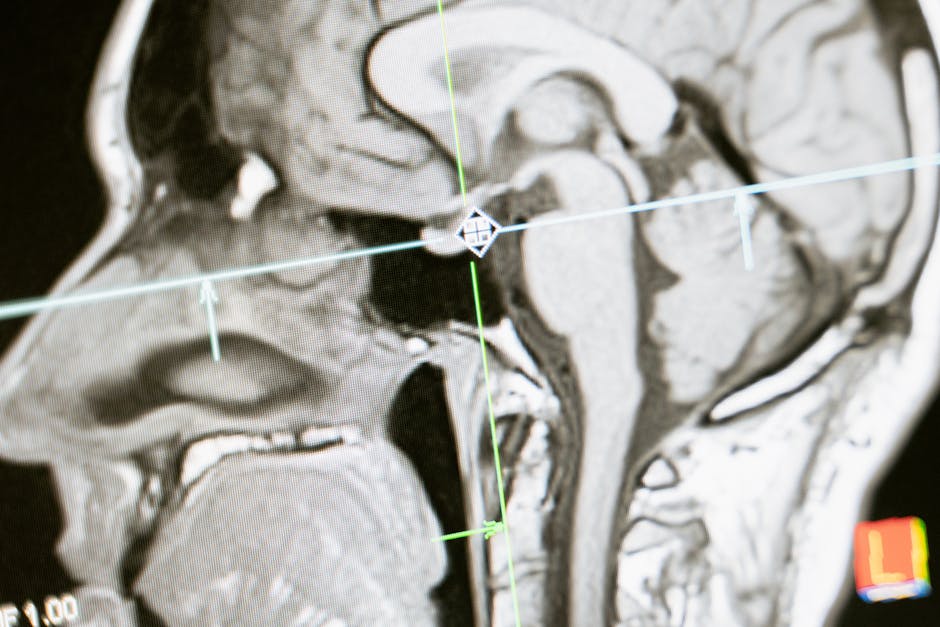
Functional Brain Organoids are 3D mini-brains grown in vitro from human pluripotent stem cells, self-organizing into complex structures that mimic aspects of the developing human brain. These pea-sized structures contain various neuronal and glial cell types and can exhibit spontaneous electrical activity, forming rudimentary neural networks. Key research centers include the Institute of Molecular Biotechnology (IMBA) in Austria, where Jürgen Knoblich's lab pioneered the technique, and labs at Stanford University and Johns Hopkins University. The technology is primarily in advanced research, used extensively for studying neurodevelopmental disorders, viral infections, and drug screening. In August 2023, researchers at UCSD successfully cultured brain organoids that developed optic cups capable of detecting light, published in *Cell Stem Cell*, offering an unprecedented model for retinal diseases. These organoids aim to replace or complement animal models, which often fail to replicate human-specific brain complexities and disease pathologies.
Editorial check
How this page is checked
Source trail
nature.com
External links are separated from Surfaced commentary.
Reader safety
Context before clicks
Product links and external services are not presented as guarantees.
Monetization
No affiliate flag
Ads and commerce links are kept distinct from editorial text.
Surfaced take
Why It Matters
Neurological disorders like Alzheimer's, Parkinson's, and autism affect millions globally, with limited effective treatments due to the difficulty of studying human brain development and disease in vivo. Brain organoids offer a powerful, accessible platform to understand these diseases, test new drugs, and investigate fundamental brain biology. Researchers, pharmaceutical companies, and patients awaiting treatments win; animal testing facilities might see reduced demand for neurological research. Significant barriers include achieving full brain complexity and maturity (e.g., vascularization, connection to other systems), standardizing organoid production, and the ethical concerns surrounding the potential for consciousness in complex organoids. Widespread use in drug discovery is 5-10 years away, with therapeutic applications much further. Academic institutions globally, notably in the US, Europe, and Japan, are fiercely competing. A second-order consequence is the deep ethical debate about the potential for consciousness or sentience in these complex neural constructs, challenging our definitions of life and research boundaries.
Development Stage
Related

HealthData.gov
HealthData.gov serves as the central portal for the U.S. government's open health data. It provides access to a wide range of datasets from agencies like HHS…

Personal Health Journal App
This application serves as a comprehensive digital journal for tracking various aspects of personal health, including symptoms, medication intake, mood, sleep…
Enjoyed this? Get five picks like this every morning.
Free daily newsletter — zero spam, unsubscribe anytime.