Photo via Pexels
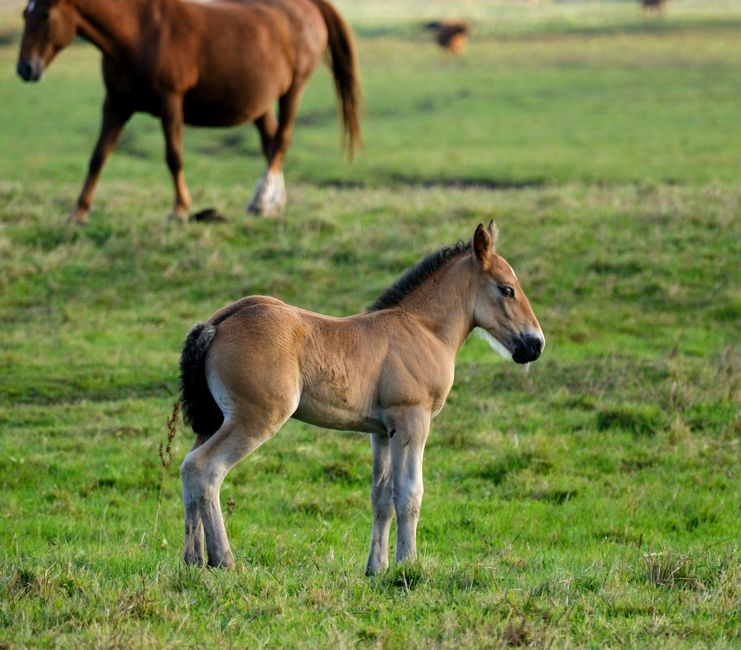
A collaborative effort by Revive & Restore, San Diego Zoo Global, and ViaGen Equine successfully cloned a critically endangered Przewalski's horse. Named Kurt, the foal was born in 2020 from cells preserved for 40 years, representing the world's first successful cloning of this species and introducing significant genetic diversity. Scientists used somatic cell nuclear transfer, implanting genetic material from a stallion frozen since 1980 into an egg from a domestic horse, then carrying it to term in a surrogate mare. This groundbreaking achievement offers a powerful new tool for genetic rescue, potentially boosting the resilience of species with dangerously low genetic variation. The project's success was announced by the San Diego Zoo Wildlife Alliance in August 2020.
Editorial check
How this page is checked
Source trail
Editorial source pending
External links are separated from Surfaced commentary.
Reader safety
Context before clicks
Product links and external services are not presented as guarantees.
Monetization
No affiliate flag
Ads and commerce links are kept distinct from editorial text.
Surfaced take
Why It’s Fascinating
Experts were excited by the successful application of cloning for genetic rescue in a wild species, offering a tangible solution for populations suffering from inbreeding depression and low genetic diversity. It confirms the potential of advanced reproductive technologies to directly support conservation efforts, challenging the traditional limitations of natural breeding programs for highly endangered species. Within 5-10 years, this technology could be applied to other critically endangered species facing genetic bottlenecks, like the black-footed ferret or northern white rhino, improving their chances of survival and rewilding success. This is like finding a long-lost, unique family member in a species' genetic archive, bringing their vital DNA back into the living population to strengthen the lineage. Conservation biologists, zoos, and organizations dedicated to preserving endangered species benefit immensely from such breakthroughs. As we gain the power to "resurrect" genetic diversity, what ethical responsibilities arise concerning the species we choose to save and the ecosystems we aim to restore?
Related
NFC Energy-Harvesting PCB Business Card with an MCU
This project details an ingenious NFC (Near Field Communication) enabled printed circuit board designed to function as a business card. The core innovation…

AutoResearch
AutoResearch is an open-source AI/ML project designed to streamline the research process, guiding users from an initial idea to generating paper-ready…
Enjoyed this? Get five picks like this every morning.
Free daily newsletter — zero spam, unsubscribe anytime.