Photo via Pexels
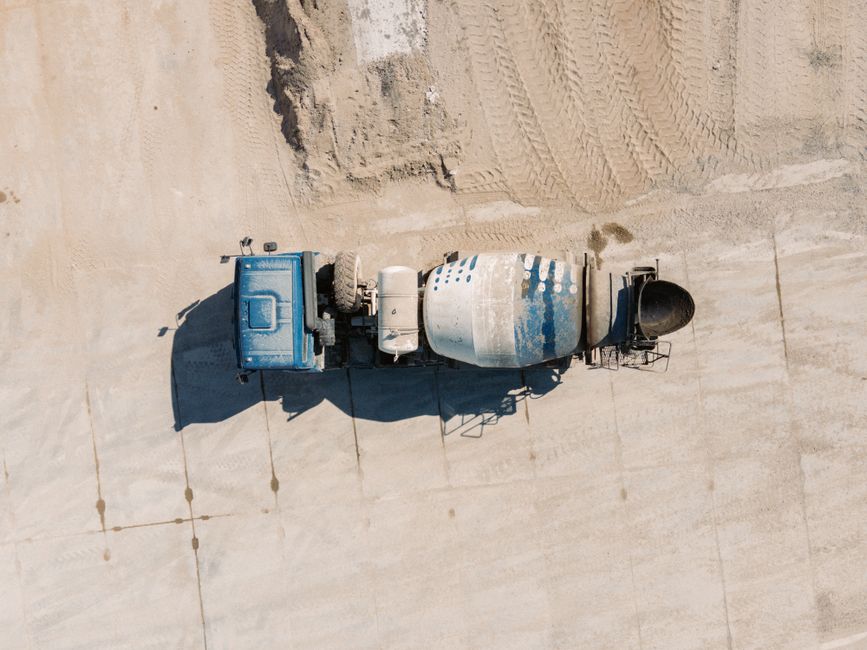
Integrated carbon capture and utilization (CCU) in cement production focuses on capturing the large volume of CO2 released during clinker production (limestone calcination) and flue gas, then converting it into valuable products. This goes beyond simple storage by actively reusing the captured CO2, potentially in new building materials or fuels. Organizations like Lehigh Cement (HeidelbergCement Group), CarbonCure Technologies, and research consortia like LEILAC (Low Emissions Intensity Lime and Cement) are pioneering this. This technology is in the prototype and early commercial pilot stages, with several demonstration projects worldwide. For example, CarbonCure Technologies has deployed systems globally since 2015, injecting captured CO2 into fresh concrete, which mineralizes and strengthens the material, significantly reducing the carbon footprint of concrete. This offers a path to not just reduce emissions but to transform cement into a carbon-negative material, unlike traditional production.
Editorial check
How this page is checked
Source trail
nature.com
External links are separated from Surfaced commentary.
Reader safety
Context before clicks
Product links and external services are not presented as guarantees.
Monetization
No affiliate flag
Ads and commerce links are kept distinct from editorial text.
Surfaced take
Why It Matters
Cement production alone accounts for approximately 8% of global CO2 emissions, a massive challenge for the construction industry that is vital for infrastructure development for billions. Mainstream CCU in cement could transform every new building and infrastructure project into a carbon sink, where concrete itself becomes a CO2-sequestering material. Cement manufacturers, construction companies, and innovative materials science firms are clear winners, while traditional raw material suppliers might need to adapt to new production methods. Key challenges include the high energy demand for CO2 capture, scaling up utilization pathways economically, and ensuring the long-term stability and safety of CO2-derived products. Widespread industrial adoption could occur within 10-25 years, driven by green building codes and carbon pricing. Europe, particularly Norway and Germany, and North America are actively investing in these solutions. A second-order consequence is the potential for CCU to drive a new era of carbon-negative construction materials, changing how we design and build cities entirely.
Development Stage
Related

Belgium Stops Nuclear Power Plant Decommissioning
This news article, likely from a reputable international news agency, reports on a critical policy reversal by the Belgian government regarding its…

OpenMythos
OpenMythos is a theoretical reconstruction of the Claude Mythos architecture, built from first principles using available research literature. It aims to…
Enjoyed this? Get five picks like this every morning.
Free daily newsletter — zero spam, unsubscribe anytime.