Photo via Pexels
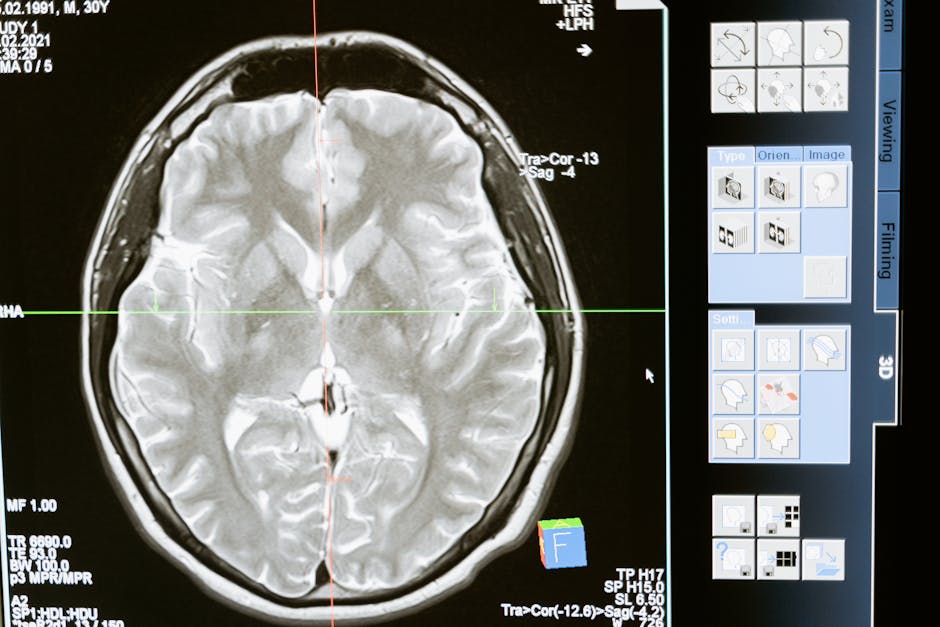
Researchers at Georgetown University Medical Center discovered that learning a new language significantly reorganizes brain networks, even in adulthood. Their study revealed that adults undergoing intensive language training showed increased connectivity in brain regions associated with language processing and cognitive control, particularly between the left superior temporal gyrus and other frontal areas. Using diffusion tensor imaging (DTI) and functional MRI (fMRI), the team observed measurable changes in white matter integrity and functional connectivity after only nine weeks of training. This highlights the remarkable neuroplasticity of the adult brain. The findings were published in PNAS in 2020.
Editorial check
How this page is checked
Source trail
pnas.org
External links are separated from Surfaced commentary.
Reader safety
Context before clicks
Product links and external services are not presented as guarantees.
Monetization
No affiliate flag
Ads and commerce links are kept distinct from editorial text.
Surfaced take
Why It’s Fascinating
This discovery provides concrete evidence for the brain's lifelong capacity for structural and functional reorganization, challenging the notion that language acquisition is primarily a childhood phenomenon. It confirms that consistent engagement can physically alter neural pathways, extending beyond simple functional changes. This understanding has profound implications for education, cognitive rehabilitation, and maintaining brain health into old age, potentially delaying cognitive decline within 5-10 years. Think of it like building new highways in your brain's communication network. Educators, neurologists, and anyone looking to boost cognitive reserve can benefit. What are the limits of this adult brain plasticity for language?
Related

Hallucinopedia
Hallucinopedia is an AI-powered tool designed to assist writers in generating creative text, brainstorming ideas, and overcoming writer's block. Built by a…

Huashu Design
Huashu Design is a groundbreaking tool that leverages HTML as its native design language for AI code generation. It enables users to create high-fidelity…
Enjoyed this? Get five picks like this every morning.
Free daily newsletter — zero spam, unsubscribe anytime.