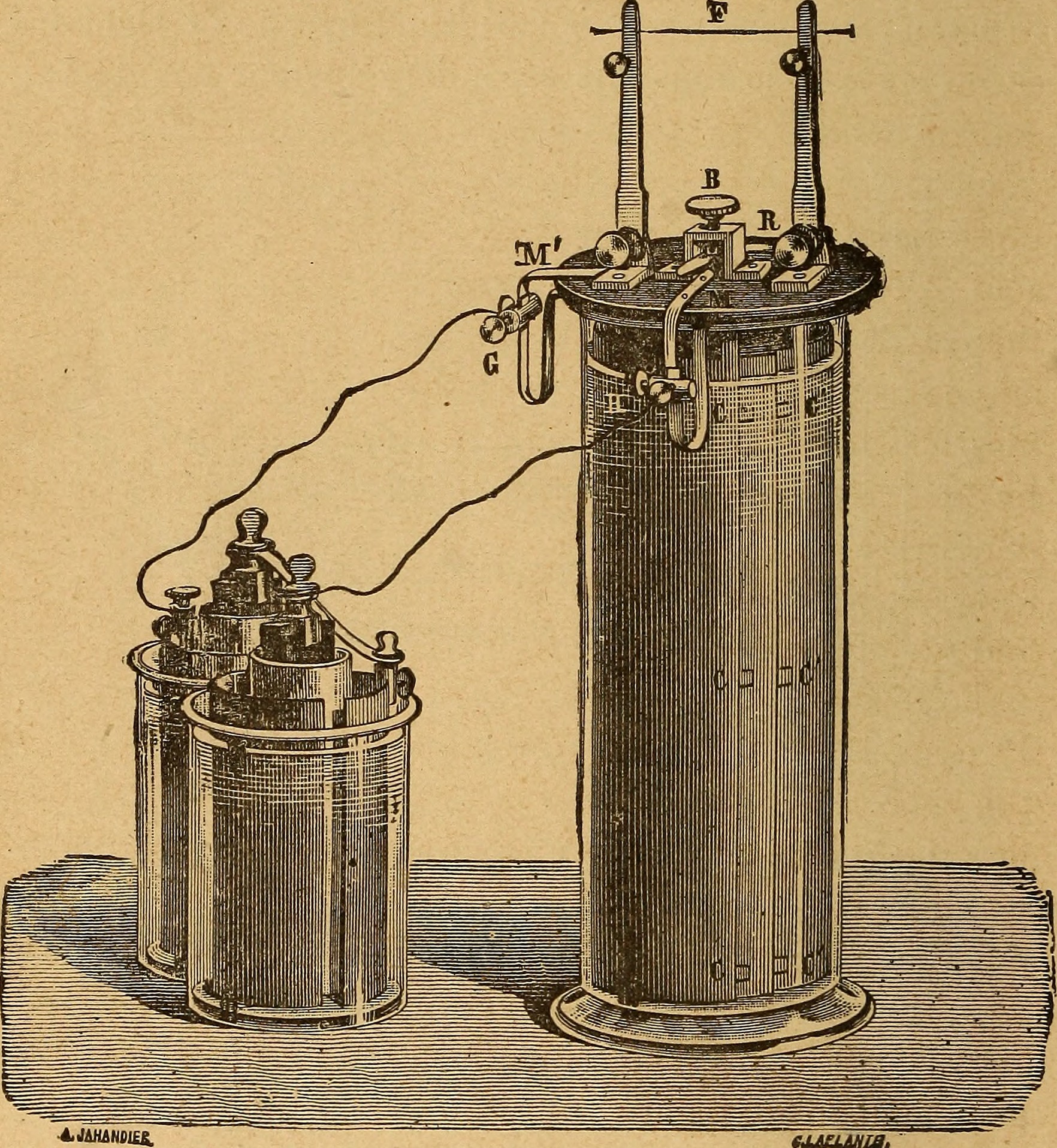
Liquid metal batteries utilize layers of molten metals and a molten salt electrolyte, which self-segregate due to density differences, eliminating the need for solid components or separators. When hot, these layers behave like a liquid, allowing for fast ion transport and high current density. The technology was pioneered by Dr. Donald Sadoway's lab at MIT, with commercialization efforts by companies like Ambri. Currently, these batteries are in the prototype and early commercial pilot stage, targeting grid-scale applications. Ambri recently announced a 250 MWh project for a data center in Nevada, aiming for commissioning in 2024. They offer a non-flammable, long-duration alternative to conventional lithium-ion batteries, which are prone to thermal runaway and capacity fade at high temperatures.
Editorial check
How this page is checked
Source trail
ambri.com
External links are separated from Surfaced commentary.
Reader safety
Context before clicks
Product links and external services are not presented as guarantees.
Monetization
No affiliate flag
Ads and commerce links are kept distinct from editorial text.
Surfaced take
Why It Matters
Grid instability and the challenge of integrating fluctuating renewable energy sources into the existing power infrastructure cost billions annually and contribute significantly to carbon emissions. When liquid metal batteries are mainstream, they could provide multi-day energy storage at ambient temperatures, stabilizing grids and making blackouts a relic of the past, even during extreme weather events. Renewable energy project developers and grid operators are major beneficiaries, while traditional peaker plants fueled by natural gas would see reduced demand. The primary technical hurdles involve scaling manufacturing and reducing the operating temperature to improve efficiency, while regulatory acceptance for novel grid storage solutions is also a factor. Widespread adoption could occur within 7-12 years, with Ambri (US) as a key player, and China also researching similar molten salt systems. A second-order consequence is the potential for a renewed focus on abundant, cheap metals like antimony and magnesium, shifting resource dependencies away from lithium and cobalt.
Development Stage
Related
Gleam
Gleam is an open-source, interactive data visualization tool developed by Google that enables rapid exploration of large datasets directly in your web browser…

ds4
ds4 (DeepSeek 4 Flash) is a highly optimized local inference engine designed specifically for Apple Silicon Macs with Metal GPU support. It allows users to run…
Enjoyed this? Get five picks like this every morning.
Free daily newsletter — zero spam, unsubscribe anytime.