
Photo via Pexels
Liver spheroids are 3D aggregates of liver cells (hepatocytes, Kupffer cells, etc.) that spontaneously form in specific culture conditions, mimicking the in vivo architecture and function of the liver more closely than traditional 2D cell cultures. These spheroids exhibit improved metabolic activity, longer viability, and enhanced drug detoxification capabilities, making them superior models for toxicology screening. Prominent groups working on this include InSphero AG, Sekisui XenoTech, and researchers at the University of Pittsburgh's McGowan Institute for Regenerative Medicine. The technology is in early commercialization, widely used in pharmaceutical research for preclinical drug toxicity testing. In June 2023, InSphero announced their 3D InSight™ Human Liver Microtissues demonstrated superior prediction of chronic DILI compared to 2D cultures in an industry consortium study, published in *Toxicological Sciences*. This aims to replace or significantly reduce reliance on less predictive 2D cell cultures and animal models for liver toxicity screening.
Editorial check
How this page is checked
Source trail
nature.com
External links are separated from Surfaced commentary.
Reader safety
Context before clicks
Product links and external services are not presented as guarantees.
Monetization
No affiliate flag
Ads and commerce links are kept distinct from editorial text.
Surfaced take
Why It Matters
Drug-induced liver injury (DILI) is a leading cause of acute liver failure and drug attrition in clinical trials, costing the pharmaceutical industry billions and endangering patients. Liver spheroids could provide a more accurate, high-throughput screening tool, identifying hepatotoxic compounds earlier in development, thus reducing drug failure rates and improving patient safety. Pharmaceutical companies, drug regulators, and patients benefit from safer, more effective drugs; contract research organizations relying on outdated models might need to adapt. Challenges include standardizing spheroid production for consistency, integrating them into high-throughput automated screening workflows, and gaining broader regulatory acceptance as a validated alternative to animal testing. Widespread adoption in preclinical drug screening is expected within 3-7 years, as the technology matures and validation data accumulates. Companies like InSphero (Switzerland) and Sekisui XenoTech (US) are market leaders, alongside significant academic research. A second-order consequence is the potential to rapidly identify environmental toxins and food additives that pose liver risks, leading to more stringent public health regulations and product safety standards.
Development Stage
Related
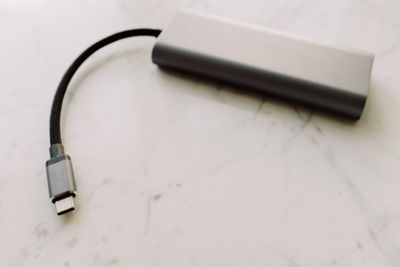
WhatCable
WhatCable is a minimalist menu bar application for macOS that provides detailed information about your connected USB-C cables. It helps users understand the…

Hoppscotch
Hoppscotch, an open-source project created by Liyas Thomas and maintained by a community, is a free, fast, and beautiful API development ecosystem delivered as…
Enjoyed this? Get five picks like this every morning.
Free daily newsletter — zero spam, unsubscribe anytime.