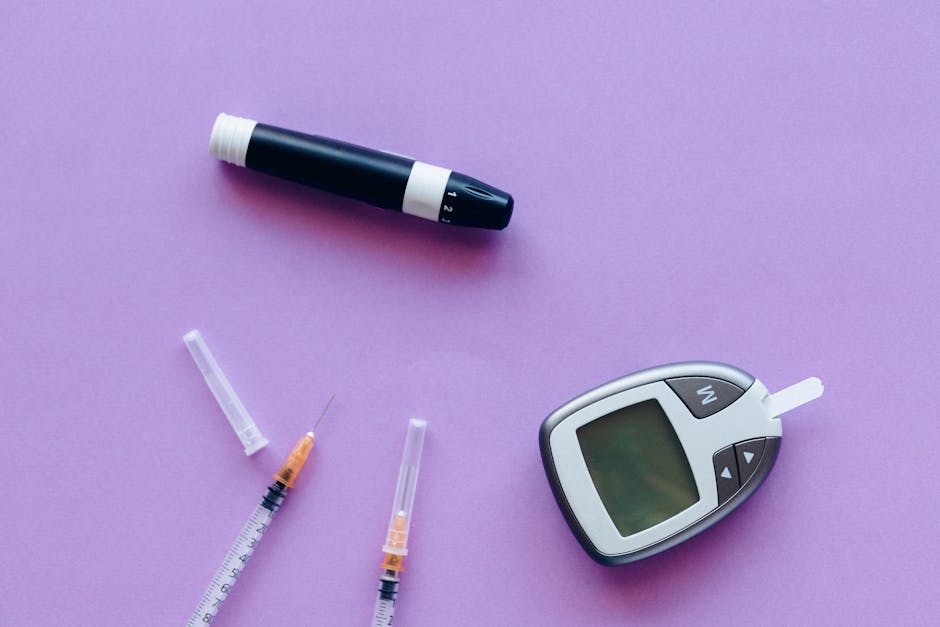
Photo via Pexels
Pancreatic Islet Cell Bioprinting involves precisely arranging insulin-producing islet cells within a protective bioink using 3D bioprinting, typically into a scaffold designed for transplantation. The goal is to create functional pancreatic tissue that can secrete insulin in response to glucose levels, restoring normal blood sugar regulation in diabetic patients. Leading research is conducted at institutions like Northwestern University, the University of Alberta (a major center for traditional islet transplantation), and Harvard Medical School. This technology is in advanced research and preclinical stages, demonstrating successful glucose regulation in small animal models. In November 2022, researchers at Northwestern University successfully bioprinted functional human islet-like cell clusters that normalized blood glucose in diabetic mice for over 90 days, published in *Nature Biomedical Engineering*. This aims to replace daily insulin injections and current cadaveric islet transplants, which are limited by donor supply and often require immunosuppression.
Editorial check
How this page is checked
Source trail
nature.com
External links are separated from Surfaced commentary.
Reader safety
Context before clicks
Product links and external services are not presented as guarantees.
Monetization
No affiliate flag
Ads and commerce links are kept distinct from editorial text.
Surfaced take
Why It Matters
Over 422 million people worldwide live with diabetes, with Type 1 diabetics requiring lifelong insulin therapy and facing severe complications like kidney failure and blindness. Bioprinted islets could offer a functional cure, freeing patients from daily injections and drastically improving their quality of life and long-term health outcomes. Diabetic patients, their families, and healthcare systems (due to reduced long-term complication costs) win; insulin manufacturers and traditional diabetes management companies might see shifts. Key hurdles include ensuring long-term viability and vascularization of the bioprinted islets, preventing immune rejection without immunosuppressants (e.g., through encapsulation), and achieving regulatory approval for living cell therapies. Early human trials could commence in 8-12 years, with widespread availability potentially 20-25 years out. North American institutions (US, Canada) and several European labs are prominent in this specialized field. A second-order consequence is the potential for bio-hackers to attempt to 'optimize' metabolic functions beyond normal human ranges, raising questions about medical ethics and human enhancement.
Development Stage
Related

Repper
Repper is a web-based pattern design tool that allows users to create seamless, repeatable patterns for textiles, wallpapers, and digital backgrounds. It…

Carbon
Carbon, an open-source project developed by Dawn Labs, is a web-based tool designed to create and share beautiful images of your source code. It allows users…
Enjoyed this? Get five picks like this every morning.
Free daily newsletter — zero spam, unsubscribe anytime.