Photo via Pexels
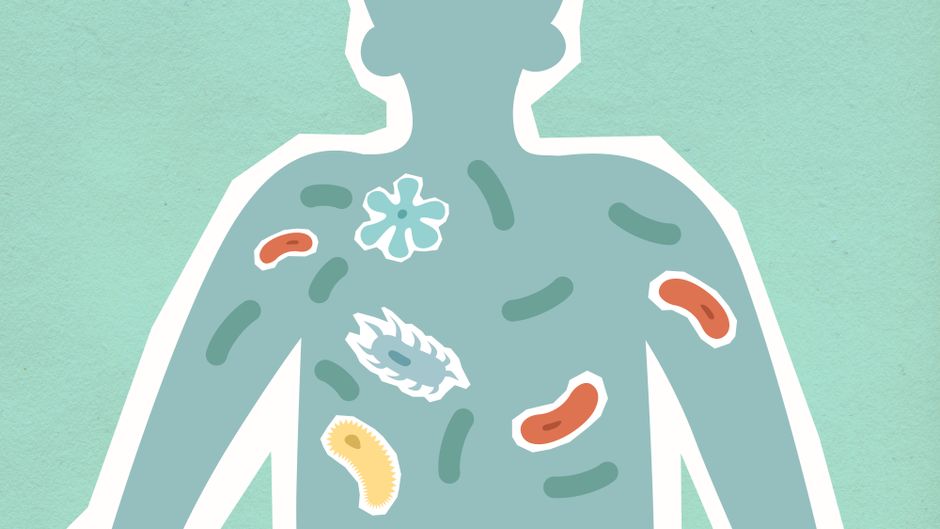
Researchers at the University of Massachusetts Amherst and collaborating institutions investigated how maternal exposure to Bisphenol A (BPA) impacts offspring health through epigenetic mechanisms. In a 2018 study published in *Environmental Health Perspectives*, they demonstrated that pregnant mice exposed to environmentally relevant doses of BPA developed offspring with altered gut microbiota composition and increased susceptibility to obesity. Specifically, the team identified significant changes in DNA methylation patterns in genes related to lipid metabolism and gut barrier function in the offspring, affecting up to 150 different genes. This research critically highlighted BPA's role as an endocrine disruptor that epigenetically reprograms metabolism across generations. The study reinforces the importance of understanding chemical exposures during critical developmental windows.
Editorial check
How this page is checked
Source trail
Editorial source pending
External links are separated from Surfaced commentary.
Reader safety
Context before clicks
Product links and external services are not presented as guarantees.
Monetization
No affiliate flag
Ads and commerce links are kept distinct from editorial text.
Surfaced take
Why It’s Fascinating
This discovery is significant because it provides a clear epigenetic mechanism linking early-life exposure to a common chemical to long-term health outcomes, surprising experts with the specificity of the gene changes. It confirms that environmental factors, even at low doses, can have profound and lasting effects by altering the fundamental 'software' of our genes, not just the hardware. Within 5-10 years, this understanding could lead to stricter regulations on endocrine-disrupting chemicals and improved guidelines for pregnant women to minimize exposure, potentially reducing rates of childhood obesity and metabolic diseases. Imagine a tiny chemical 'ghost' sneaking into a developing fetus and subtly rewriting parts of its genetic instruction manual, setting it up for health issues later. This benefits public health officials, expectant parents, and policymakers by informing preventive strategies. What other common chemicals might be silently influencing our epigenetic health? This research adds to the growing body of evidence supporting the Developmental Origins of Health and Disease (DOHaD) hypothesis.
Related

Semaglutide linked to lower predicted dementia risk
This article reports on a study published in the Alzheimer's & Dementia journal that investigated the potential link between the use of semaglutide, a popular…

Finch: Self Care Pet
Finch, developed by Finch Inc., is a unique self-care app that gamifies mental wellness and habit formation by allowing users to nurture a virtual pet through…
Enjoyed this? Get five picks like this every morning.
Free daily newsletter — zero spam, unsubscribe anytime.