Photo via Pexels
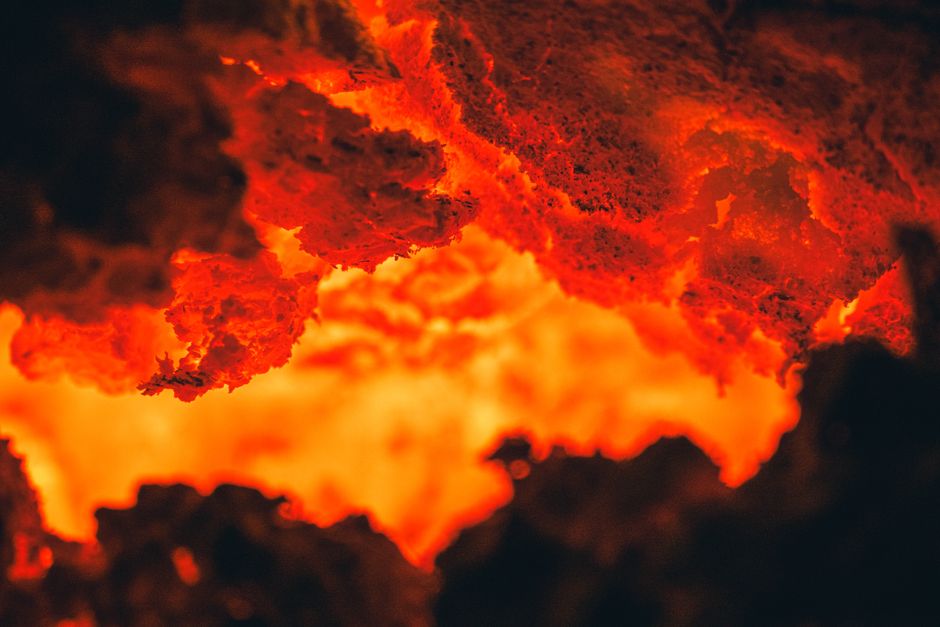
Molten Silicon Phase-Change Thermal Energy Storage (MS-PCTES) utilizes the latent heat of fusion of silicon, which melts at extremely high temperatures (around 1414°C), to store vast amounts of thermal energy. When electricity is abundant, silicon is melted; when power is needed, the heat released during silicon's solidification is used to drive a heat engine or steam turbine to generate electricity. Companies like Siemens Gamesa Renewable Energy and research institutes such as the German Aerospace Center (DLR) are investigating high-temperature thermal storage solutions, with specific silicon-based approaches being explored by startups like Azelio. This technology is in advanced research and prototype stages, with Azelio demonstrating a 100 kW thermal energy storage unit using aluminum-silicon alloy in 2020, achieving long-duration storage. It offers significantly higher energy density and operating temperatures than molten salt thermal energy storage, enabling more efficient power generation.
Editorial check
How this page is checked
Source trail
Editorial source pending
External links are separated from Surfaced commentary.
Reader safety
Context before clicks
Product links and external services are not presented as guarantees.
Monetization
No affiliate flag
Ads and commerce links are kept distinct from editorial text.
Surfaced take
Why It Matters
Grid-scale long-duration energy storage is crucial for a fully renewable energy system, a market segment estimated to grow by 25% annually, but current solutions lack the necessary energy density and efficiency for multi-day storage. Mainstream MS-PCTES could provide extremely high-capacity, multi-day energy storage for entire cities or industrial complexes, ensuring continuous power supply even during prolonged periods of low renewable output. Heavy industries requiring high-temperature process heat and utility providers focused on grid stability stand to gain, while fossil fuel-based backup power plants become less viable. Technical barriers include developing durable, high-temperature containment materials for molten silicon and efficient heat exchange mechanisms, as well as minimizing energy losses during conversion. Commercial deployment is likely 10-18 years away, with European nations (Germany, Sweden) and Australia actively pursuing this. A second-order consequence could be the decarbonization of energy-intensive industries by replacing fossil fuels with dispatchable high-temperature heat from renewable sources.
Development Stage
Related

dust
dust is an open-source command-line utility, written in Rust, that functions as a more intuitive and visually appealing replacement for the standard `du`…

Loop Habit Tracker
Loop Habit Tracker, developed by Soron, is a free and open-source habit tracking app primarily for Android, emphasizing simplicity, privacy, and data…
Enjoyed this? Get five picks like this every morning.
Free daily newsletter — zero spam, unsubscribe anytime.