
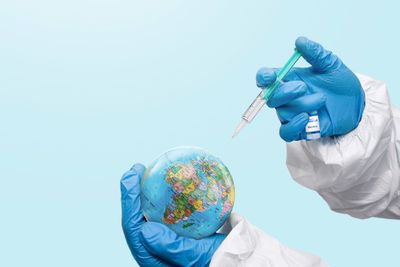
Photo via Pexels
Researchers at the Max Planck Institute for Evolutionary Anthropology, including Hugo Zeberg and Nobel laureate Svante Pääbo, discovered a significant genetic link between Neanderthal ancestry and increased risk of severe COVID-19. In a 2020 study published in *Nature*, they identified a specific segment of chromosome 3, inherited from Neanderthals, that dramatically increases the risk of hospitalization and respiratory failure upon SARS-CoV-2 infection. This genetic segment, approximately 50 kilobases long, is carried by about 16% of Europeans and up to 50% of South Asians, and roughly doubles the risk of developing severe COVID-19. This finding indicates that ancient genetic material continues to influence modern human susceptibility to novel diseases. The research underscores the long-lasting impact of ancient human interbreeding events.
Editorial check
How this page is checked
Source trail
nature.com
External links are separated from Surfaced commentary.
Reader safety
Context before clicks
Product links and external services are not presented as guarantees.
Monetization
No affiliate flag
Ads and commerce links are kept distinct from editorial text.
Surfaced take
Why It’s Fascinating
This discovery surprised experts by revealing a direct and tangible impact of ancient human interbreeding on a contemporary global health crisis, highlighting the enduring legacy of Neanderthal genes. It confirms that genetic material from our ancient relatives is not merely an evolutionary relic but continues to shape our immune responses and disease susceptibility today. Within 5-10 years, understanding such ancient genetic vulnerabilities could lead to personalized risk assessments for future pandemics and targeted therapeutic strategies for individuals carrying specific ancestral alleles. Imagine a tiny, ancient 'warning label' written in your DNA, inherited from a long-extinct relative, that tells you about your vulnerability to a modern virus. This benefits public health planners, clinicians, and individuals by providing insights into personalized disease risk. What other ancient genetic legacies might be influencing our health in unexpected ways today? This finding provides a stark example of how evolutionary history continues to impact human health.
Related
ClinicalTrials.gov
ClinicalTrials.gov is an indispensable resource maintained by the U.S. National Library of Medicine (NLM) at the National Institutes of Health (NIH). It serves…

Claude for Legal
claude-for-legal is a curated suite of plugins and extensions designed to integrate Anthropic's Claude AI into existing legal workflows. It focuses on…
Enjoyed this? Get five picks like this every morning.
Free daily newsletter — zero spam, unsubscribe anytime.