Photo via Pexels
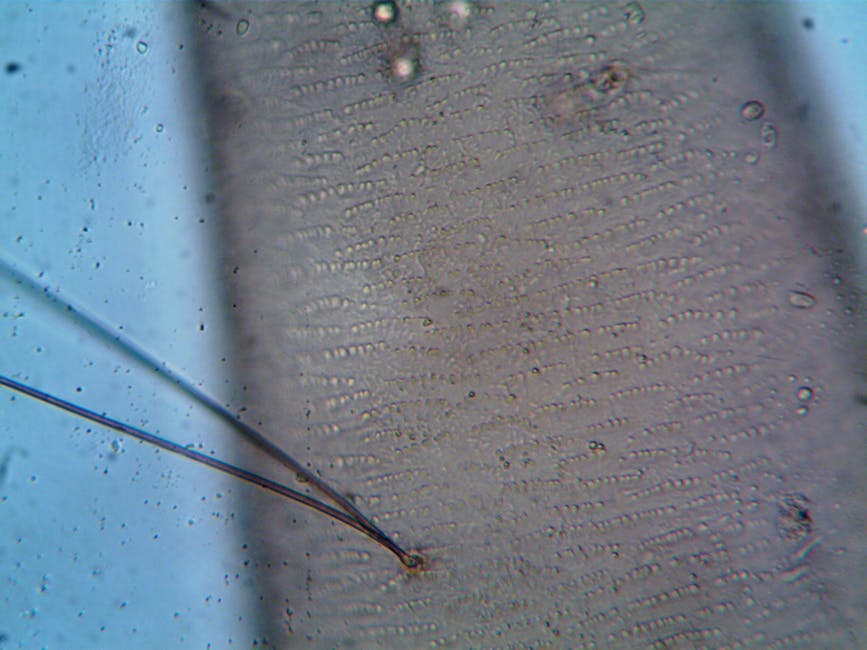
A study led by Dr. Nina Bednaršek from NOAA's Pacific Marine Environmental Laboratory found that ocean acidification is severely impacting pteropods, commonly known as 'sea butterflies,' critical components of polar food webs. Researchers observed significant shell dissolution in Limacina helicina pteropods in the California Current Ecosystem, with up to 50% of the population showing severe damage in some areas. The methodology involved collecting pteropods from various oceanic depths and analyzing their shells using scanning electron microscopy, alongside ocean pH measurements. This direct evidence of shell degradation highlights how increasing ocean acidity, driven by CO2 absorption, profoundly threatens calcifying marine organisms. The findings were published in Scientific Reports in 2019.
Editorial check
How this page is checked
Source trail
Editorial source pending
External links are separated from Surfaced commentary.
Reader safety
Context before clicks
Product links and external services are not presented as guarantees.
Monetization
No affiliate flag
Ads and commerce links are kept distinct from editorial text.
Surfaced take
Why It’s Fascinating
Marine biologists are deeply concerned because pteropods are a keystone species, forming a vital link in the food chain for everything from tiny fish to whales. This discovery provides compelling, tangible evidence of ocean acidification's immediate biological impacts, confirming predictions that rising CO2 levels would hinder calcification. In the next 5-10 years, continued pteropod decline could lead to cascading ecosystem effects, impacting commercial fisheries and the health of entire marine food webs. Think of pteropods as the 'canaries in the coal mine' for ocean health; their struggle signals a much broader environmental crisis unfolding beneath the waves. Fisheries managers, conservation organizations, and Arctic indigenous communities, whose diets often rely on these food webs, benefit most. Can marine species evolve fast enough to cope with the rapid pace of ocean acidification, or are widespread extinctions inevitable?
Related

Global Allergy
Global Allergy is an online resource providing comprehensive information on food allergies, environmental allergens, and related health conditions. It acts as…

Perspective
Perspective is a high-performance, streaming data visualization engine developed by J.P. Morgan, designed for handling massive, real-time datasets in the…
Enjoyed this? Get five picks like this every morning.
Free daily newsletter — zero spam, unsubscribe anytime.