Photo via Pexels
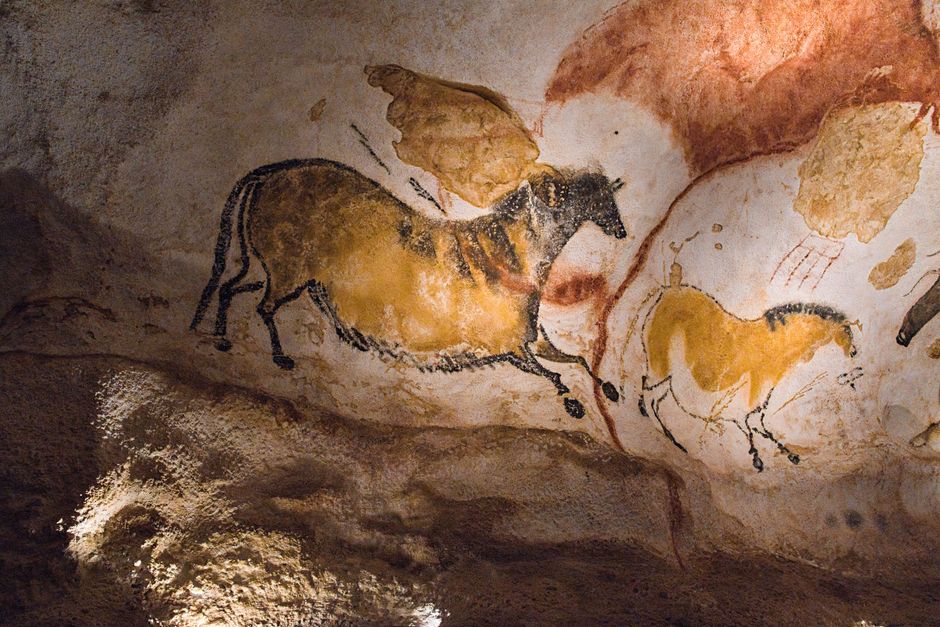
A team of archaeoacousticians from the University of Cambridge has uncovered evidence suggesting that prehistoric cave paintings were strategically placed in locations with significant acoustic resonance, enhancing ritual sounds. Studies conducted in caves like Lascaux and Niaux revealed that areas with the highest density of animal paintings often corresponded to spots with pronounced echoes and reverberations, particularly for specific low frequencies. Researchers used sophisticated acoustic mapping techniques, including impulse response measurements and sound propagation simulations, to identify these resonant zones. This implies that sound played a crucial, multi-sensory role in ancient cave rituals and artistic expression. This fascinating work has been featured in the Journal of Archaeological Science.
Editorial check
How this page is checked
Source trail
bbc.com
External links are separated from Surfaced commentary.
Reader safety
Context before clicks
Product links and external services are not presented as guarantees.
Monetization
No affiliate flag
Ads and commerce links are kept distinct from editorial text.
Surfaced take
Why It’s Fascinating
Archaeologists were surprised by the sophisticated understanding of acoustics displayed by ancient peoples, challenging the perception of their art as purely visual. This discovery overturns interpretations that viewed cave art in isolation, confirming that prehistoric humans likely experienced these spaces as immersive, multi-sensory environments where sound and imagery intertwined. Within 5-10 years, virtual reality reconstructions of these resonant caves could allow modern audiences to experience ancient rituals as they might have been heard, offering profound insights into early human cognition and culture. Imagine entering a cave where the roaring of a painted bison on the wall feels like it's vibrating through your very bones. Archaeologists, anthropologists, and cultural heritage enthusiasts benefit most. How might understanding the acoustic properties of ancient sites change our interpretations of other historical structures, such as stone circles or ancient theaters?
Related

Palette Inspiration
Palette Inspiration allows users to explore and discover color palettes derived from the artworks of master painters throughout history. By analyzing thousands…

Insight Timer: Meditation App
Insight Timer, developed by the same team, is the world's largest free meditation app, offering thousands of guided meditations, talks, and ambient sounds from…
Enjoyed this? Get five picks like this every morning.
Free daily newsletter — zero spam, unsubscribe anytime.