Photo via Pexels
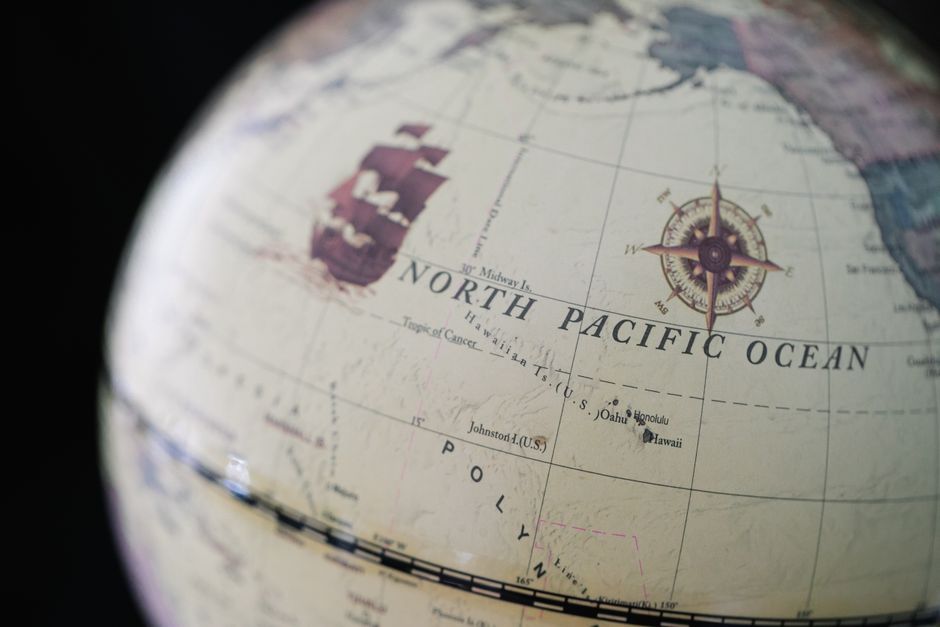
A study by the University of Sydney and the University of Oxford has revealed an extensive network of ancient "scar tissue" – remnant fracture zones and faults – crisscrossing the Pacific seafloor. These geological features, hundreds to thousands of kilometers long, are vestiges of past tectonic plate movements and subduction. The researchers utilized high-resolution satellite altimetry data to detect subtle variations in seafloor gravity, which betray the presence of these hidden structures. These scars influence present-day ocean currents and deep-sea ecosystems.
Editorial check
How this page is checked
Source trail
nature.com
External links are separated from Surfaced commentary.
Reader safety
Context before clicks
Product links and external services are not presented as guarantees.
Monetization
No affiliate flag
Ads and commerce links are kept distinct from editorial text.
Surfaced take
Why It’s Fascinating
This discovery is crucial because it provides a detailed historical record of tectonic activity in the Pacific, revealing a more complex past than previously understood. It confirms that the seafloor is not a uniform surface but retains geological memory of immense forces. In the coming decade, this mapping could improve models for ocean circulation and help identify areas prone to deep-sea mineral deposits. Think of the ocean floor as an old battleground, and these "scars" are the trenches and marks left by ancient, titanic clashes of landmasses. Marine geologists, oceanographers, and resource explorers are the primary beneficiaries. How do these ancient scars continue to influence seismic activity and fluid flow within the oceanic crust today?
Related

Graphistry
Graphistry is a GPU-accelerated visual graph analytics platform that allows users to interactively visualize and explore massive networks and relationships in…

Insight Timer: Meditation App
Insight Timer, developed by the same team, is the world's largest free meditation app, offering thousands of guided meditations, talks, and ambient sounds from…
Enjoyed this? Get five picks like this every morning.
Free daily newsletter — zero spam, unsubscribe anytime.