Photo via Pexels
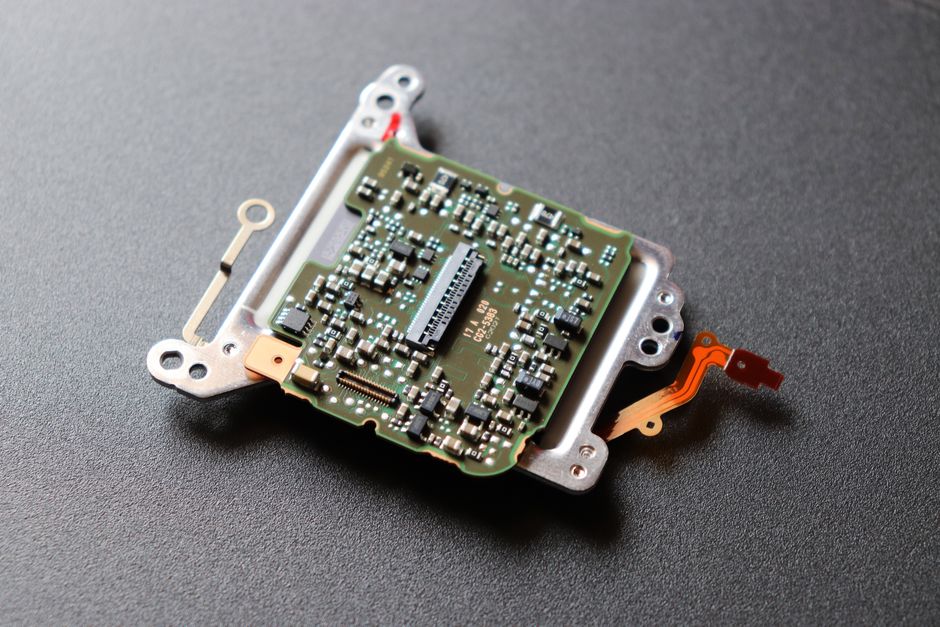
Silicon Photonics On-Chip Interconnects replace traditional electrical wires between processing units or memory blocks on a single chip with optical waveguides, transmitting data using light pulses. This leverages silicon photonics, where light is generated, modulated, and detected using silicon-based components that are compatible with CMOS manufacturing. IBM Research, Intel, and research groups at MIT and UC Santa Barbara are leading this development. The technology is in early commercialization, primarily for data centers, but moving to on-chip applications; Intel demonstrated a hybrid silicon laser integration on a 300mm wafer in 2021, showing compatibility with standard CMOS processes. This vastly improves data transfer rates and energy efficiency compared to copper traces, which suffer from resistance-capacitance (RC) delay and significant power loss.
Editorial check
How this page is checked
Source trail
intel.com
External links are separated from Surfaced commentary.
Reader safety
Context before clicks
Product links and external services are not presented as guarantees.
Monetization
No affiliate flag
Ads and commerce links are kept distinct from editorial text.
Surfaced take
Why It Matters
Data movement is a major bottleneck and energy drain in modern computing, consuming up to 50% of a data center's power, a market of over $200 billion annually. Mainstream adoption means processors can communicate at terabits per second with minimal power consumption, enabling far more powerful AI and scientific computing. Chip manufacturers like Intel and AMD would be major winners, while traditional electrical interconnect component suppliers might need to pivot their offerings. Key barriers include integrating lasers directly onto silicon reliably and ensuring cost-effective manufacturing at scale for complex chips. Widespread adoption for on-chip applications could be 5-10 years away, with the US, China, and EU racing for dominance in next-gen chip technology. A subtle consequence is the potential for entirely new chip architectures, moving away from von Neumann bottlenecks and enabling truly parallel processing.
Development Stage
Related

Gleam
Gleam is an open-source, interactive data visualization tool developed by Google that enables rapid exploration of large datasets directly in your web browser…

ds4
ds4 (DeepSeek 4 Flash) is a highly optimized local inference engine designed specifically for Apple Silicon Macs with Metal GPU support. It allows users to run…
Enjoyed this? Get five picks like this every morning.
Free daily newsletter — zero spam, unsubscribe anytime.