Photo via Pexels
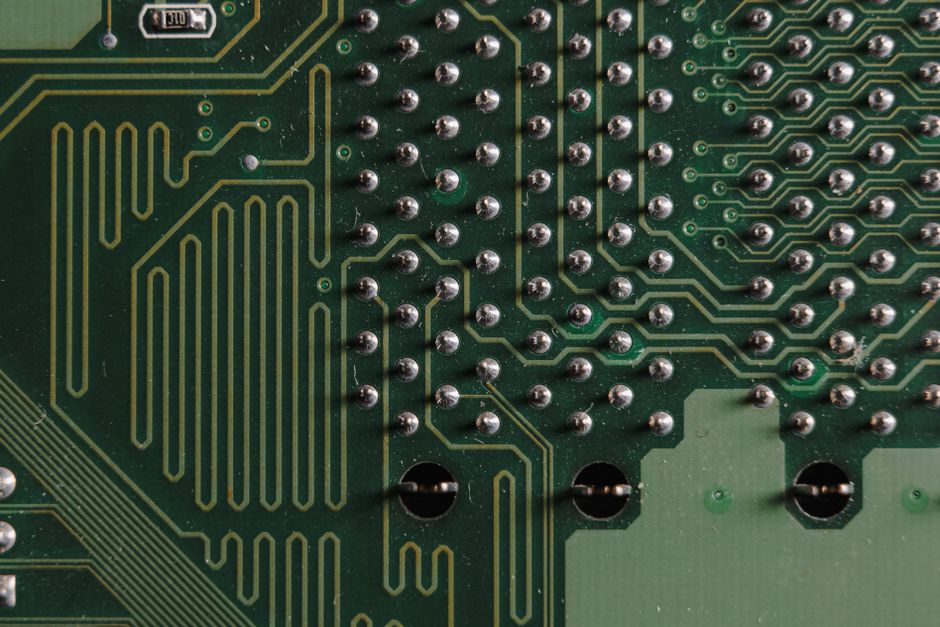
Silicon photonic quantum processors use photons as qubits, integrated onto silicon chips to perform quantum computations. These processors leverage the mature silicon fabrication process, guiding photons through waveguides and implementing quantum gates via interferometers and beam splitters. Key players include PsiQuantum, Xanadu, and researchers at NIST and the University of Bristol. The technology is in the advanced research and prototype stage, with small-scale processors demonstrated. PsiQuantum recently announced a plan for a fault-tolerant quantum computer by 2029, building on their 2021 demonstration of complex photonic circuits containing over 200 components; this offers a path to room-temperature quantum computing, unlike superconducting qubits requiring cryogenic environments.
Editorial check
How this page is checked
Source trail
psiquantum.com
External links are separated from Surfaced commentary.
Reader safety
Context before clicks
Product links and external services are not presented as guarantees.
Monetization
No affiliate flag
Ads and commerce links are kept distinct from editorial text.
Surfaced take
Why It Matters
This technology can solve computational problems currently intractable, impacting drug discovery, materials science, and cryptography, a market estimated at tens of billions. Mainstream adoption means scientists could design new catalysts in days or break modern encryption protocols with ease. Companies like PsiQuantum and Xanadu stand to gain significantly, while traditional high-performance computing providers might face disruption. Major barriers include scaling qubit count while maintaining entanglement and reducing error rates in complex circuits. A fault-tolerant quantum computer is potentially 10-15 years away, with heavy investment from the US, Canada, and China. A second-order consequence could be the global re-evaluation of current cryptographic standards and widespread adoption of post-quantum cryptography.
Development Stage
Related

Commodore 64 released September 1, 1982
This in-depth article on dfarq.homeip.net provides a comprehensive exploration of the Commodore 64, the iconic home computer that launched on September 1…

ds4
ds4 (DeepSeek 4 Flash) is a highly optimized local inference engine designed specifically for Apple Silicon Macs with Metal GPU support. It allows users to run…
Enjoyed this? Get five picks like this every morning.
Free daily newsletter — zero spam, unsubscribe anytime.