Photo via Pexels
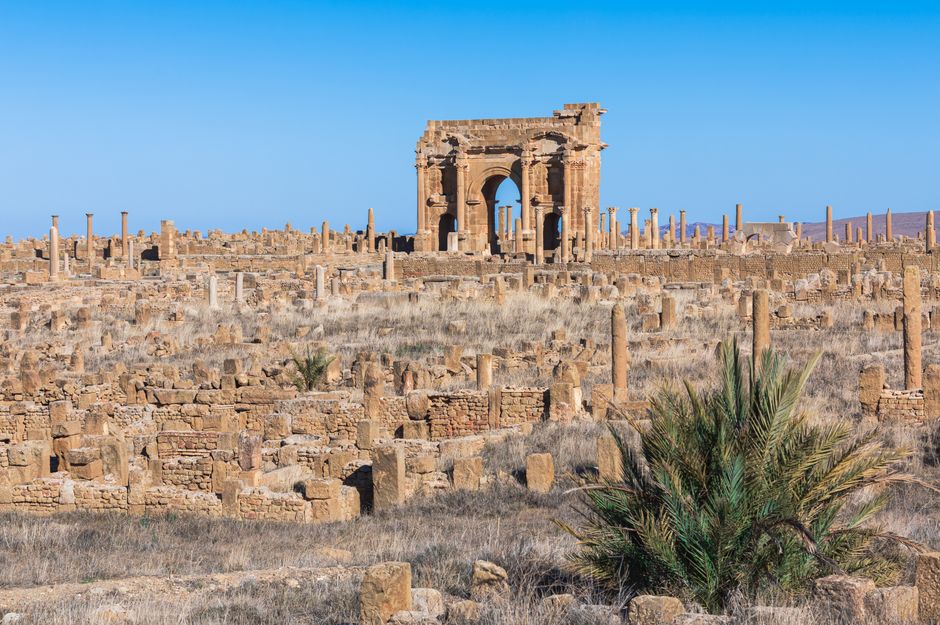
Researchers from institutions including the University of Cambridge and the University of Oklahoma have presented new evidence linking climate change to the decline of the Roman Empire. Through detailed analysis of tree rings, ice cores, and lake sediments, they have reconstructed a precise climatic history of the Roman period, revealing a significant shift towards colder, drier conditions coinciding with periods of imperial instability and barbarian invasions. Specifically, they found evidence of prolonged droughts and increased climatic variability in regions crucial for Roman agriculture and military strength from the 3rd century CE onwards. This challenges the traditional view that political mismanagement and military overstretch were the sole drivers of collapse. The surprising implication is that even powerful ancient empires were vulnerable to environmental forces, much like modern societies.
Editorial check
How this page is checked
Source trail
Editorial source pending
External links are separated from Surfaced commentary.
Reader safety
Context before clicks
Product links and external services are not presented as guarantees.
Monetization
No affiliate flag
Ads and commerce links are kept distinct from editorial text.
Surfaced take
Why It’s Fascinating
This finding surprises many historians by introducing a powerful environmental factor into the complex narrative of the Roman Empire's fall, moving beyond purely socio-political explanations. It refines and confirms the growing understanding that climate played a significant role in shaping historical events, overturning simpler, monocausal explanations. Within 5-10 years, similar paleoclimate studies could be applied to other ancient civilizations, revealing a broader pattern of climate-driven societal shifts and collapses. It's like realizing a grand play's tragic ending wasn't just due to the actors' flaws, but also a sudden, unexpected storm on opening night. Historians, climate scientists, and policymakers would benefit most from understanding this historical interplay between climate and societal resilience. Can we truly learn from the past's climate challenges to better prepare for our own?
Related

Belgium Stops Nuclear Power Plant Decommissioning
This news article, likely from a reputable international news agency, reports on a critical policy reversal by the Belgian government regarding its…

Insight Timer: Meditation App
Insight Timer, developed by the same team, is the world's largest free meditation app, offering thousands of guided meditations, talks, and ambient sounds from…
Enjoyed this? Get five picks like this every morning.
Free daily newsletter — zero spam, unsubscribe anytime.