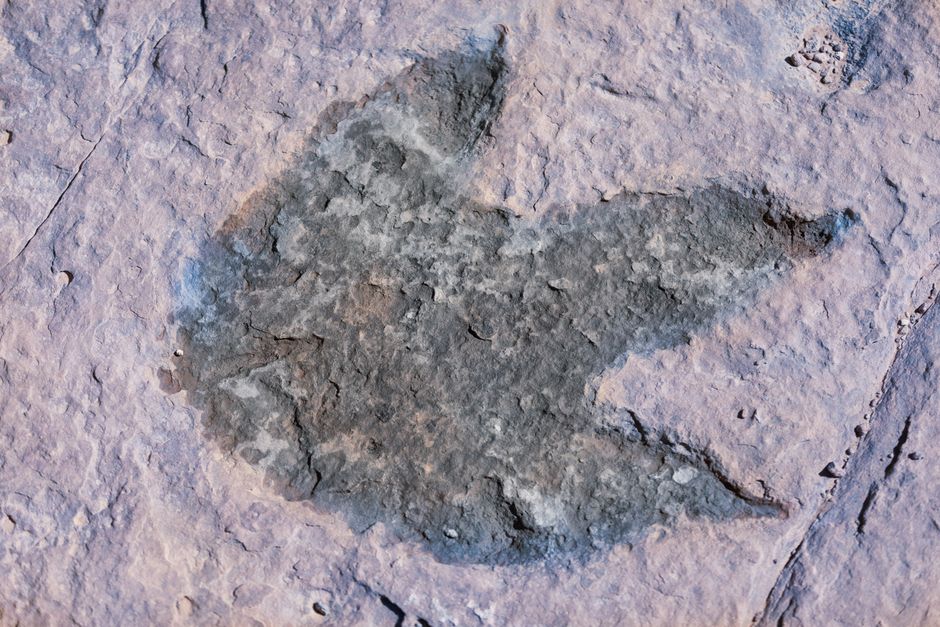
Photo via Pexels
An international team, primarily from the U.S. Geological Survey and the National Park Service, has discovered human footprints in White Sands National Park, New Mexico, dating back 21,000 to 23,000 years ago. These fossilized footprints, preserved in ancient lakebed sediments, provide the most conclusive evidence to date of human presence in the Americas during the Last Glacial Maximum. The dating was achieved using radiocarbon analysis of seeds embedded within the footprint layers, providing precise chronological markers. This discovery significantly pushes back the widely accepted timeline for human arrival in the Americas by at least 10,000 years, challenging the Bering Strait land bridge as the sole and earliest entry point. The surprising implication is that early humans adapted to glacial conditions and traversed vast distances much earlier than previously imagined.
Editorial check
How this page is checked
Source trail
nature.com
External links are separated from Surfaced commentary.
Reader safety
Context before clicks
Product links and external services are not presented as guarantees.
Monetization
No affiliate flag
Ads and commerce links are kept distinct from editorial text.
Surfaced take
Why It’s Fascinating
This discovery has been profoundly surprising to anthropologists and archaeologists, as it fundamentally challenges the long-held 'Clovis First' model, which posited human entry into the Americas much later. It overturns decades of established understanding about early human migration patterns and timelines in the Western Hemisphere. In the next 5-10 years, this could spark intense research into alternative migration routes, such as coastal routes or earlier Beringia crossings, transforming our maps of human dispersal. Imagine discovering your family tree goes back ten generations further than you ever thought possible. Anthropologists, geneticists, and indigenous communities tracing their ancestral roots would benefit most from these profound new insights. If humans were here so much earlier, what other unknown chapters of American prehistory await discovery?
Related

AdNauseam
AdNauseam is a browser extension that functions as a powerful ad blocker while also acting as a privacy tool that 'clicks' on every ad shown to you…

Loop Habit Tracker
Loop Habit Tracker, developed by Soron, is a free and open-source habit tracking app primarily for Android, emphasizing simplicity, privacy, and data…
Enjoyed this? Get five picks like this every morning.
Free daily newsletter — zero spam, unsubscribe anytime.