Photo via Pexels
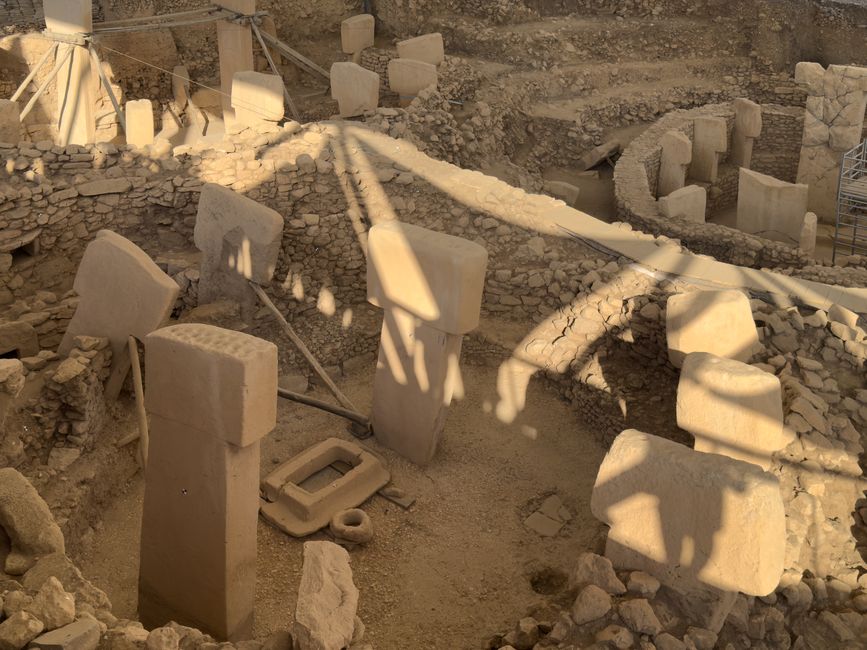
Researchers from the University of Edinburgh have interpreted symbolic carvings at Göbekli Tepe, a 12,000-year-old archaeological site in Turkey, as a record of a catastrophic comet impact around 10,950 BC. They matched animal symbols on a pillar, known as the Vulture Stone, to constellations and used computer simulations to show that the patterns align with a specific astronomical event – the Younger Dryas impact event. This event is hypothesized to have triggered a mini-ice age. The team correlated the animal symbols with specific star patterns and positions, suggesting the carvings document the impact and its devastating consequences. The surprising implication is that Neolithic peoples possessed advanced astronomical knowledge and sophisticated methods for recording historical events, much earlier than previously believed.
Editorial check
How this page is checked
Source trail
arxiv.org
External links are separated from Surfaced commentary.
Reader safety
Context before clicks
Product links and external services are not presented as guarantees.
Monetization
No affiliate flag
Ads and commerce links are kept distinct from editorial text.
Surfaced take
Why It’s Fascinating
This interpretation is highly surprising to archaeologists, as it posits that hunter-gatherers developed complex astronomical observations and narrative record-keeping skills far earlier than the rise of settled agriculture and formal writing systems. It challenges the traditional view of early human societies as primitive and lacking the capacity for abstract thought or long-term historical memory. Within 5-10 years, further archaeological and astronomical correlation studies could provide more definitive evidence, potentially rewriting our understanding of early human intelligence and cultural development. It's like finding a detailed historical documentary hidden in cave paintings. Astrophysicists, archaeologists, and historians would benefit most from this interdisciplinary insight. What other ancient structures might secretly encode lost knowledge of cosmic events?
Related

Google broke reCAPTCHA for de-Googled Android users
This article reports on a significant issue where Google's reCAPTCHA service has become non-functional for users running de-Googled versions of Android. This…
Typefully
Typefully is a streamlined writing platform specifically built for crafting engaging social media content, particularly for Twitter (X). It provides a…
Enjoyed this? Get five picks like this every morning.
Free daily newsletter — zero spam, unsubscribe anytime.