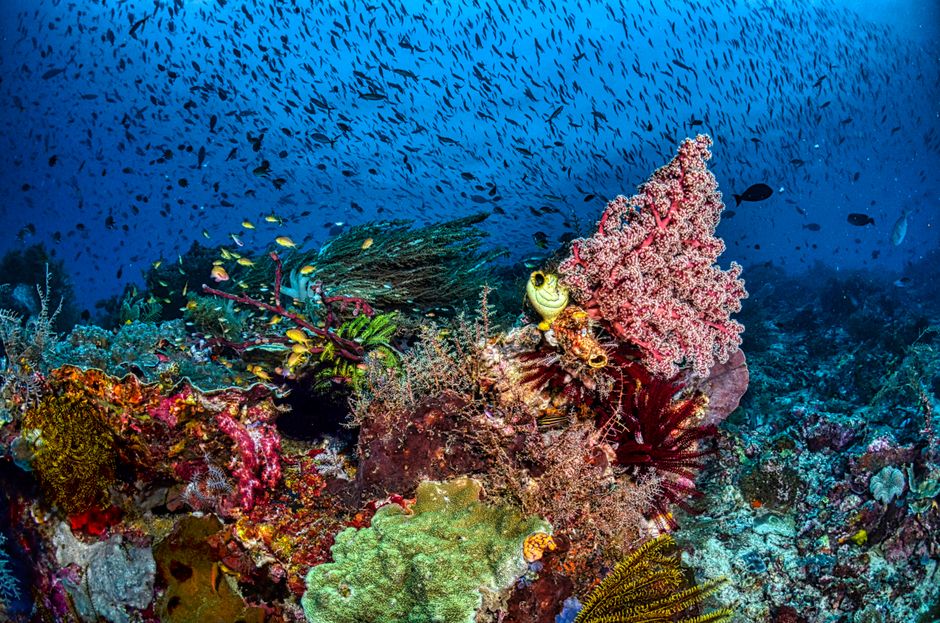
Photo via Pexels
Researchers at UC Santa Barbara, in a meta-analysis of over 100 studies, found that fully protected marine protected areas (MPAs) can increase fish biomass by an average of 600% within two decades of establishment. This remarkable recovery was observed across diverse global ecosystems, from coral reefs to temperate seas, demonstrating the consistent power of protection. The analysis synthesized data on fish populations, size, and diversity from MPAs worldwide, comparing them to adjacent unprotected areas. These findings offer compelling evidence for the effectiveness of 'no-take' zones in ocean conservation. Published in *Nature Ecology & Evolution* in 2021.
Editorial check
How this page is checked
Source trail
nature.com
External links are separated from Surfaced commentary.
Reader safety
Context before clicks
Product links and external services are not presented as guarantees.
Monetization
No affiliate flag
Ads and commerce links are kept distinct from editorial text.
Surfaced take
Why It’s Fascinating
This meta-analysis provides overwhelming statistical evidence that well-managed MPAs are incredibly effective tools for ocean recovery, confirming what many conservationists have long advocated, but often faced skepticism about. Experts are particularly surprised by the magnitude and consistency of the biomass recovery, far exceeding many initial expectations. In the next 5-10 years, this robust data could galvanize international efforts to meet ambitious targets for global ocean protection, such as the '30 by 30' initiative (30% of oceans protected by 2030). Imagine MPAs as underwater national parks, allowing marine life to flourish undisturbed and spill over into surrounding fishing grounds. Fishermen, policymakers, and anyone who relies on healthy oceans will benefit. Given these impressive results, what are the primary barriers preventing the rapid expansion of fully protected marine areas globally?
Related

Graphistry
Graphistry is a GPU-accelerated visual graph analytics platform that allows users to interactively visualize and explore massive networks and relationships in…

codeburn
codeburn is an interactive Terminal User Interface (TUI) dashboard designed to provide cost observability for AI coding tools like Claude Code, Codex, and…
Enjoyed this? Get five picks like this every morning.
Free daily newsletter — zero spam, unsubscribe anytime.